Booking your first glamping dome or safari tent sounds simple until you start comparing listings and realize they can feel like completely different experiences. Domes are rigid, often glass-panelled structures that behave more like a small cabin, while safari tents are canvas rooms on frames that breathe with the weather. If you have never stayed in either, it is hard to know which one fits your trip, your budget and the season you are traveling in.
This guide walks you through the decisions that matter before you pay: how the two styles differ, why climate should drive your choice, what a realistic nightly rate looks like, how many guests each type sleeps, when to reserve, and what to pack for gravel paths and cool evenings. By the end, you will know exactly which questions to ask a host before clicking book, and your first night under canvas or inside a geodesic dome should go far more smoothly.
Glamping Dome vs Safari Tent: What First-Timers Should Know
The first thing to understand is that a dome and a safari tent are not two versions of the same product. They are built differently, insulate differently and create a very different feeling once you are inside. Knowing the difference helps you match the structure to your destination and your comfort expectations.
How domes are built
A glamping dome is a rigid geodesic structure, usually made of triangular panels that lock together into a rounded shape. Many domes include transparent panels or large windows, which means you can lie in bed and watch the sky or the trees around you. That rigidity makes them feel solid and quiet, and they hold warmth well, which is why they work best in cool or mild weather. Inside, a good dome often feels more like a small hotel room than a tent, with a proper bed, lighting and sometimes a small en-suite bathroom.
How safari tents are built
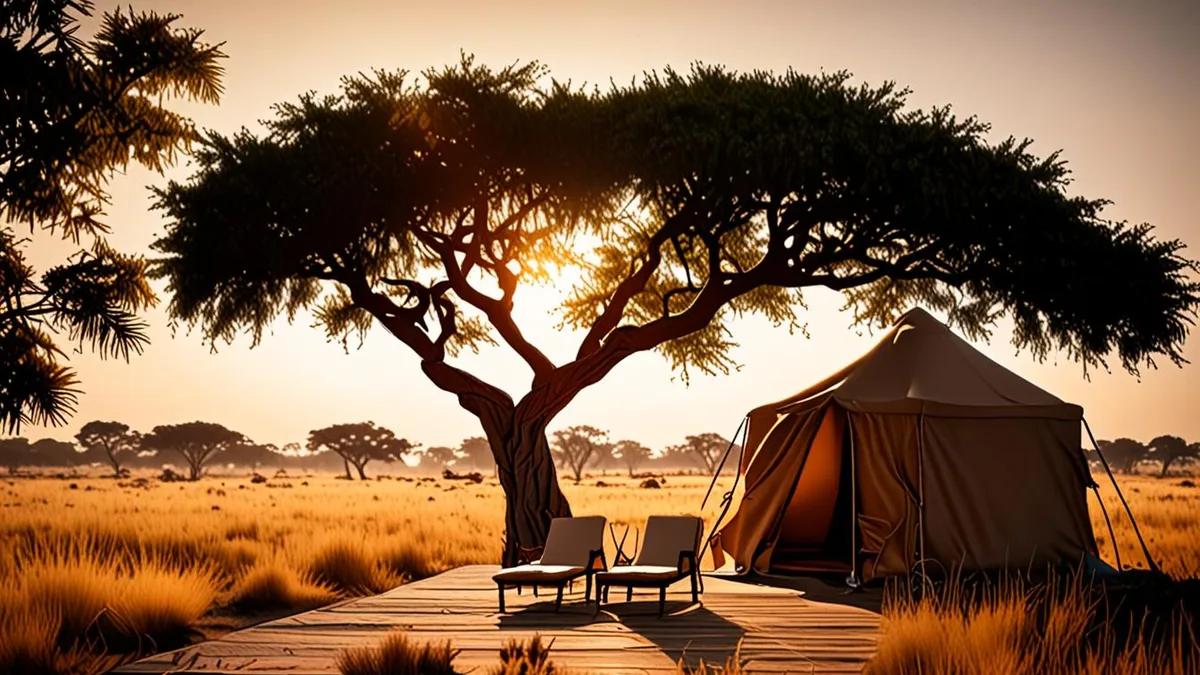
A safari tent is a canvas structure stretched over a frame, often on a wooden platform. The canvas walls breathe, and mesh screens over windows and doors let air flow through while keeping insects out. In hot climates, this ventilation keeps the interior noticeably cooler than an enclosed structure would be. The atmosphere is also different: the rustle of canvas and the sounds coming through the mesh put you closer to classic camping, just with a real bed and furniture. If you want the feeling of camping with most of the discomfort removed, a safari tent is usually the better fit. If you want something closer to a boutique hotel room in a scenic spot, lean toward a dome.
Match the Stay to the Season and Climate
Climate is the single biggest factor in whether your first glamping trip feels magical or miserable. The same structure that is cozy in the mountains can turn into a greenhouse on a hot plain, so think about temperatures at your destination before you fall in love with a listing.
When a dome makes sense
Choose a dome for cool mountain or forest nights, where the rigid structure and insulation keep you warm and the transparent panels give you something to look at from bed. There is nothing quite like watching stars through a dome panel with a blanket over you. For a real example of how well this works in a cool highland setting, this account of a cool night above Java shows what a dome does best. The flip side is heat: transparent panels can overheat quickly, so avoid them in hot months where daytime temperatures climb above 28°C. A dome with full sun exposure in summer can stay uncomfortably warm well into the evening.
When a safari tent makes sense
Pick a safari tent for warm destinations, where canvas ventilation and mesh screens keep air moving and the interior stays cooler than an enclosed structure would. If your trip falls in the hottest part of the year, this breathability matters more than any other feature.
One more tip for first-timers: aim for shoulder seasons such as May-June or September-October. You get milder weather, fewer crowds at the site and lower rates than peak summer or holiday weeks. Shoulder season is often the sweet spot for either structure, since nights are cool enough for a dome and days rarely get hot enough to make canvas uncomfortable.
Set a Realistic Budget Before You Book
Glamping prices vary enormously, so set expectations before you start browsing. As a general rule, expect roughly $100 to $400 per night depending on the region, the season and the amenities on offer. A simple canvas tent in a quiet field sits at the low end; a dome with a private hot tub and panoramic views can sit at the top of that range or beyond in popular regions. Remote destinations can also surprise you in both directions, as this story of a remote night on Atauro illustrates, so always check what the rate actually covers.
Before comparing two listings on price alone, work out what each rate includes. Some hosts bundle breakfast, dinners or guided activities into the nightly price, while others add cleaning fees, service fees or extra charges for firewood and hot tub use at checkout. Two listings that look far apart on price can end up nearly identical once you add meals and fees.
Then do the math on total trip cost, not just the nightly rate. Many sites require a 2-night minimum stay on weekends, which means a “$150 per night” tent is really a $300 booking before fees. A few other things worth checking:
- Whether linens, towels and bedding are provided, or counted as an add-on you pay for separately
- If meals are included, how many per night and whether dietary needs can be accommodated with notice
- Which activities on the property cost extra, such as kayak rentals, guided walks or firewood bundles
- Whether pets or extra guests carry a surcharge, which matters if your group is larger than the base rate assumes
Once you know the true all-in cost, comparing listings becomes much easier and there are fewer surprises on your final invoice.
Check Capacity, Beds and On-Site Facilities
One of the biggest surprises for first-time glampers is discovering that “sleeps four” can mean very different things from one site to the next. Space that feels cozy for a couple can feel genuinely tight with two adults and two teenagers, so look closely at bed configurations rather than relying on the guest count alone. Most domes sleep 2-3 guests, while family safari tents typically sleep 4-6, usually with a proper bedroom section plus extra sleeping areas for kids. If the listing doesn’t show a floor plan or photos of the sleeping arrangements, email the host and ask before you book.
Bathrooms deserve special attention when comparing units. Some accommodations have en-suite bathrooms with hot showers, while others share a central facilities block that may be a short walk away along gravel or grass paths. If you’re traveling with kids, or you know you’ll be getting up during the night, an en-suite makes a real difference to your comfort. Also confirm whether the unit includes heating, fans or air conditioning, since even well-designed canvas tents can feel uncomfortable without proper airflow, and transparent domes can warm up quickly on sunny days.
- Ask about bed types: a queen bed plus a fold-out couch is not the same as four real beds, especially for adults sharing a unit.
- Check water pressure and hot water: some remote sites run on solar or tank systems, so hot showers can be limited to certain hours of the day.
- Look for a kitchenette or breakfast service: not every site has cooking facilities on site, and some rely on nearby restaurants or meal packages instead.
- Consider outdoor extras: a private deck, fire pit or hot tub can turn a good stay into a memorable one if you plan to spend evenings at the unit rather than out exploring.
- Confirm privacy levels: some safari tents sit close together in rows, while others are spaced out with screening vegetation between them, which matters if you’re hoping for a quiet, secluded feel.
How to Book and When to Reserve
Glamping units are limited in number compared to hotel rooms, so the best domes and safari tents book out early. A small site might only have five or six units, which means one busy weekend can wipe out availability. Unlike a large hotel, there’s no backup room down the hall if yours is taken. Planning ahead matters more here than at almost any other type of accommodation, and travelers who treat it like booking a restaurant table often end up disappointed.
- Book 2-3 months ahead for high season weekends. This gives you the best chance of securing a specific unit, since the most scenic or private ones go first.
- Allow up to 6 months for popular holiday periods at sought-after sites. Long weekends, school holidays and festive dates at well-known properties fill up extremely fast.
- Read the cancellation terms before you pay. Remote glamping sites often have stricter policies than hotels, because a canceled booking is hard to refill at short notice.
- Confirm what’s included in the rate. Meals, activities and cleaning fees vary widely between sites and can change your total cost significantly.
- Message the host with questions before booking. Their response time and clarity tell you a lot about what service to expect on site.
If your dates are flexible, use the site’s calendar to spot gaps rather than fixating on one weekend. Midweek stays are often easier to book and sometimes cheaper. And if a unit is sold out, ask to join a cancellation list — short-notice openings happen more often than you’d expect, especially when weather turns.
Choosing the Right Location and What to Pack
Location shapes your whole glamping experience, arguably more than the tent itself. Remote sites deliver dark skies and genuine quiet, plus wildlife sounds you’d never hear near a city. The trade-off is practical: they can mean long drives to restaurants, grocery stores and fuel, so you’ll want to arrive with supplies already on board. Sites closer to towns give up some seclusion but make life easier if you’d rather eat out than cook after a day of exploring. Neither option is better — it comes down to how self-sufficient you want to be.
Before booking, think carefully about how you’ll actually arrive. Many glamping sites sit down unsealed roads that can be rough or muddy after rain, and some are poorly signposted, so a GPS pin may not be enough. If you’re renting a car or arriving late in the day, ask the host about current road conditions and the driving distance from the nearest town. The answer may influence what vehicle you book and what time you set off. Hosts can usually also recommend the best route, the nearest place to buy firewood, and whether check-in is self-service or staffed.
- Pack layers: nights outside a tent get colder than hotel nights, even in warm regions, so bring a fleece or light jacket plus warm socks.
- Bring a torch or headlamp: paths between units are usually unlit, and you’ll need it for late-night bathroom trips or stargazing walks.
- Choose slip-on shoes: many sites have gravel or grass paths between units, and you’ll be stepping in and out often.
- Download offline maps: cell coverage at remote sites can be patchy or nonexistent.
- Bring a power bank: outlets in tents and domes are often limited to one or two.
- Pack mosquito repellent: canvas and mesh keep most insects out, but you’ll still want it for evenings outdoors.
Final Thoughts for Your First Glamping Trip
Glamping doesn’t have to be confusing for a first trip. Domes and safari tents simply suit different climates, budgets and group sizes, so the right choice comes down to where you’re going, when you’re traveling and who’s coming along. Once you know that, the decision gets much easier.
If you take away just two habits from this guide, make it these: book early and check the facilities before you pay. Those two steps prevent most first-timer surprises, from sold-out weekends to missing bathrooms. If this helped you plan your first stay, leave a comment or share the article with a friend.