Booking your first boutique hotel can feel like a gamble. The photos look stunning, the reviews glow, and then you arrive to find a room noticeably smaller than a chain hotel’s, a front desk that isn’t staffed around the clock, and a rate noticeably higher than the mid-range property down the street. Many first-timers expect a luxury chain experience in a smaller package, and the differences catch them off guard.
This guide walks you through what a boutique hotel actually offers, so you can decide whether it fits your trip. We’ll cover what sets these properties apart from chains, what to expect from the rooms and amenities, how the service style differs, what you’ll typically pay and when to book, how to vet a property before you commit, and which types of travelers get the most out of the experience. By the end, you’ll know exactly what you’re signing up for.
What Makes a Boutique Hotel Different
The easiest way to understand a boutique hotel is by its size. These properties typically have 10-100 rooms, far fewer than chain hotels, and that changes everything about the atmosphere. Hallways feel quieter, common spaces feel more like a private home, and staff usually learn your name by the second day. Check-in is often personal, with staff greeting guests by name rather than handing over a key card with a scripted welcome.
Design is the other defining trait. Instead of standardized fittings rolled out across hundreds of properties, each boutique hotel tends to follow its own theme, often tied to the building’s history or the local culture. You might find a converted warehouse with exposed brick and industrial fixtures, or a townhouse where each room references a local artist or era. The property feels like somewhere, not anywhere.
Independent Ownership Changes the Deal
Most boutique hotels are independently owned, which means no loyalty program points, no tiered status perks and no standardized benefits you might be used to from chain stays. What you get instead is character and flexibility, since owners can often accommodate special requests that a corporate policy would never allow.
Location choices reflect the same philosophy. Boutique hotels typically favor walkable neighborhoods close to cafes, galleries and local restaurants, rather than highway-adjacent spots built around parking and airport access. That placement is often a big part of why guests love them.
Rooms and Amenities: Smaller but More Considered
Rooms at boutique hotels are often 20-30 square meters, smaller than standard chain rooms. That’s not necessarily a downside, but it does mean less space for luggage and, in some cases, unusual layouts. Converted buildings frequently have quirky floor plans, so you might get a slanted ceiling, a bathroom accessed by a step or two, or a window in an odd spot. If space matters to you, ask the hotel directly which rooms are largest.
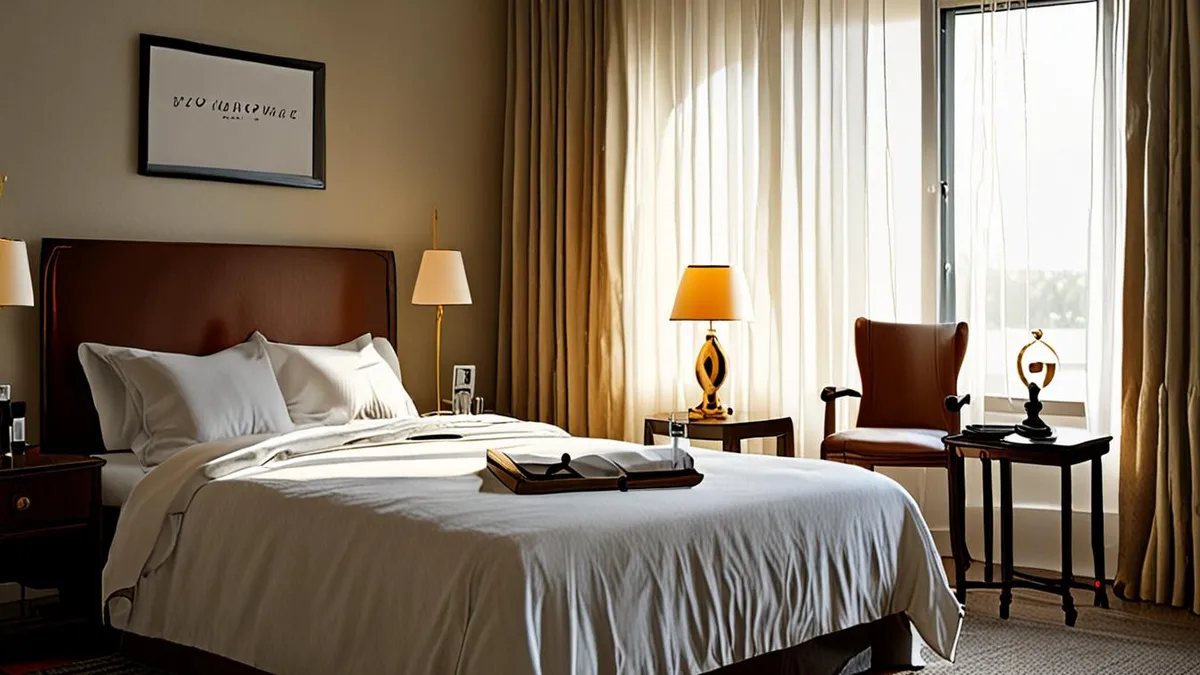
What smaller rooms lose in square meters, they often gain in considered details. Local artwork on the walls, quality linens and a curated minibar with regional drinks and snacks replace the standard chain fittings. Many properties also serve breakfast made to order rather than offering a large buffet, which changes the morning rhythm in a pleasant way.
Facilities are where the trade-off becomes obvious. Compared to full-service hotels, gyms, pools and business centers are often limited or absent. If you rely on a daily workout or need a printer for work, check what’s actually available before booking.
Soundproofing deserves special attention, because many boutique properties occupy converted heritage or historic buildings where walls and windows were never designed with noise control in mind. A few specific requests can make a real difference:
- An upper-floor room usually puts you further from street-level noise like late-night conversations and delivery traffic
- A courtyard-facing room trades a view for noticeably quieter nights in many properties
- A room away from the elevator, stairs and breakfast area avoids the most common internal noise complaints in reviews
- Mentioning light-sleeper status at booking lets staff assign you their quietest option, since small hotels have the flexibility to do this
Service Style: Personal but Not 24-Hour
Service at a boutique hotel is defined by ratios. With typically 10-100 rooms, staff-to-guest ratios are high, so you get personalized recommendations and remembered preferences. Mention on day one that you like your coffee black or that you’re celebrating an anniversary, and there’s a good chance the staff will act on it without being reminded. Arriving often feels more like being welcomed into a home than processed at a desk, and many guests find that first exchange sets the tone for the whole stay.
Know the Hours Before You Arrive
The trade-off is coverage. Unlike the 24-hour lobbies of chain hotels, front desks at boutique properties may close overnight or run with reduced hours. If you’re arriving on a late flight, confirm in advance how late check-in works and whether there’s a self-access option or night contact number. This is one of the most common surprises for first-timers, and it’s easy to avoid with one email.
Concierge help at a boutique hotel is usually informal and driven by local knowledge rather than a formal desk with a brochure rack. The person recommending a restaurant often lives in the neighborhood and eats there themselves, which tends to produce better suggestions than a scripted list. Don’t expect ticketing services or a dedicated concierge team, though.
Housekeeping also works differently. Instead of twice-daily turndown service, many boutique properties clean once daily or only on request. If you want fresh towels at a specific time or prefer your room serviced while you’re at breakfast, just ask. Staff at small properties can usually accommodate individual routines that a large hotel would handle by policy instead.
What You Pay and When to Book
Boutique hotels rarely compete on price. For similar dates in the same area, nightly rates typically run 20-50% above nearby mid-range chains. You are paying for character, location and personal service rather than square meters or facilities, so it helps to know exactly what that premium buys before you commit.
Timing matters even more than it does with big hotels. A boutique property with 30 rooms simply cannot absorb demand the way a 300-room chain can, so small inventory sells out fast. As a general rule, book 2-3 months ahead for high season stays. In low season, booking 2-4 weeks ahead is usually enough, and waiting a little can sometimes unlock discounts on quieter weeks.
Since there is no loyalty program to log into, the best perks usually come from booking direct. Email or call the hotel before you reserve and ask politely what they can offer. If you want a deeper breakdown of seasonal patterns and pricing windows, this guide on when to book hotels for the cheapest rates covers the timing side in detail.
- Ask about direct-booking perks specifically: an upgrade at check-in, late checkout or a small welcome touch costs the hotel little but can noticeably improve a short stay.
- Compare the total price, not the headline rate: some boutique hotels include breakfast or a minibar credit, which can narrow the gap with a cheaper chain room.
- Watch cancellation terms closely: small properties often run stricter policies than chains, and a nonrefundable rate on a 20-room hotel is a bigger risk if plans change.
- If your dates are flexible, ask the hotel directly which nights are quietest — staff at small properties can often tell you exactly when demand dips.
How to Judge a Boutique Hotel Before You Book
A boutique hotel can look spectacular in marketing photos and still disappoint in the details that matter, so a little homework before booking pays off. The weak spots tend to be the same across most small properties, and each one is easy to check in advance. Because these hotels are small and often run by lean teams, one bad week of service or one noisy room type can shape your whole stay in a way it rarely would at a large chain. The good news is that almost every common problem leaves traces online if you know where to look. If you work through a listing methodically, you can spot most issues before they ever reach your stay. Learning how to read hotel reviews and spot red flags is the single most useful skill here, but the four steps below give you a quick framework you can apply to any property in ten minutes or so.
- Read recent reviews for the usual weak spots. Filter for the last few months and search mentions of noise, room size and staff consistency. One review complaining about street noise is an anecdote; ten reviews over six months is a pattern.
- Study the photo gallery for actual room shots. Styled photos of the lobby or rooftop tell you nothing about your bedroom. Look for wide shots of full rooms, and be suspicious if only tightly cropped angles appear.
- Check the exact address and walk times. Boutique hotels favor walkable neighborhoods, but “central” can mean different things. Map the real walking time to the specific sights, restaurants or transit stops you care about, not just to the city center.
- Confirm breakfast hours and style. Many boutique properties serve made-to-order breakfast rather than a large buffet, often in a small cafe space. If you have an early tour or a late start, make sure the serving window actually fits your schedule.
Do these four checks and you will have a far clearer picture than the listing page alone provides. Pay special attention to anything reviewers mention more than once, even if the wording differs, because repeated small complaints usually point to a real operational weakness. If two or three reviews raise the same concern, ask the hotel about it directly before booking. Small properties usually answer honestly, and how quickly and thoughtfully they respond tells you a lot about how they treat guests once you have arrived and paid.
Who a Boutique Hotel Stay Suits Best
Boutique hotels are not for everyone, and that is precisely their charm. They trade size, facilities and standardization for character, location and personal attention. Whether that trade suits you depends mostly on how long you are staying and what you actually want from a hotel.
Couples, solo travelers and short stays
If you are traveling as a couple or solo and you value a room with personality over a lobby the size of an airport terminal, a boutique hotel is likely a great match. These properties shine for stays of 2-4 nights: long enough to enjoy the personal service and the neighborhood, short enough that you will not miss the gym, pool or business center a full-service chain would provide. Guests who prefer walkable neighborhoods and independent local dining over resort-style amenities tend to be the happiest boutique customers, because the hotel itself usually sits right in the middle of the kind of area they came for.
When a boutique hotel may not fit
Families should look carefully before booking. Small properties often have limited room configurations, and connecting rooms may be scarce or nonexistent, so a family of four might need two separate rooms or a suite at a much higher price. Business travelers who need round-the-clock front desk support, meeting space or reliable late-night services may also find the reduced hours frustrating. And if your priority is a big pool, a spa or extensive on-site dining, a resort or large chain will serve you better. The best match is a guest who wants the hotel to feel like part of the destination rather than a refuge from it.
Wrapping Up Your First Boutique Hotel Stay
Your first boutique hotel stay will probably feel different from what a luxury chain offers, and that’s exactly the point. These properties trade size and extensive facilities for character, location and personal service, so smaller rooms, limited amenities and a quieter lobby are features of the experience, not flaws in it.
Go in with the right expectations and the trade-offs make sense: rates typically run 20-50% above nearby mid-range chains, rooms are often 20-30 square meters, and the best properties sell out early, so book ahead and check recent reviews carefully. Match the style to your trip, too — a few nights in a walkable neighborhood suits boutique stays far better than a long visit built around pools and gyms. If that sounds like your kind of trip, you’re ready to book. Have questions or a first boutique stay story of your own? Leave a comment or share this article.