Scroll through any glamping site and the photos look pricey: glass-fronted domes, claw-foot tubs, sunset decks. But glamping on a budget is entirely doable, and the trick is knowing where the money actually goes. The nightly rate is only the headline number. Kit rentals, transfers, meals at the site restaurant and paid activities can quietly turn a bargain into a splurge, and some of the most expensive tents are priced for their view rather than their comfort.
This guide breaks the costs down piece by piece. We start with where glamping money really goes, then help you choose a stay type that fits your wallet, time your trip for lower rates, and pick locations that cost less without skimping on scenery. We also cover the hidden on-site fees that catch first-timers off guard, help you decide whether glamping is worth it for your trip at all, and finish with a short mindset you can apply to any booking.
Where Glamping Money Actually Goes
That tempting nightly rate on the booking page is rarely the whole story. Many glamping sites charge separately for the things you would assume are included: bedding kits, towels, firewood, airport or town transfers, meals, and guided activities. Across a typical stay, these add-ons often add another USD 20–60 per person or per booking, depending on the site and how much you use. A tent that looked affordable at checkout can end up costing as much as a mid-range hotel room once everything is tallied.
Why some tents cost triple the price
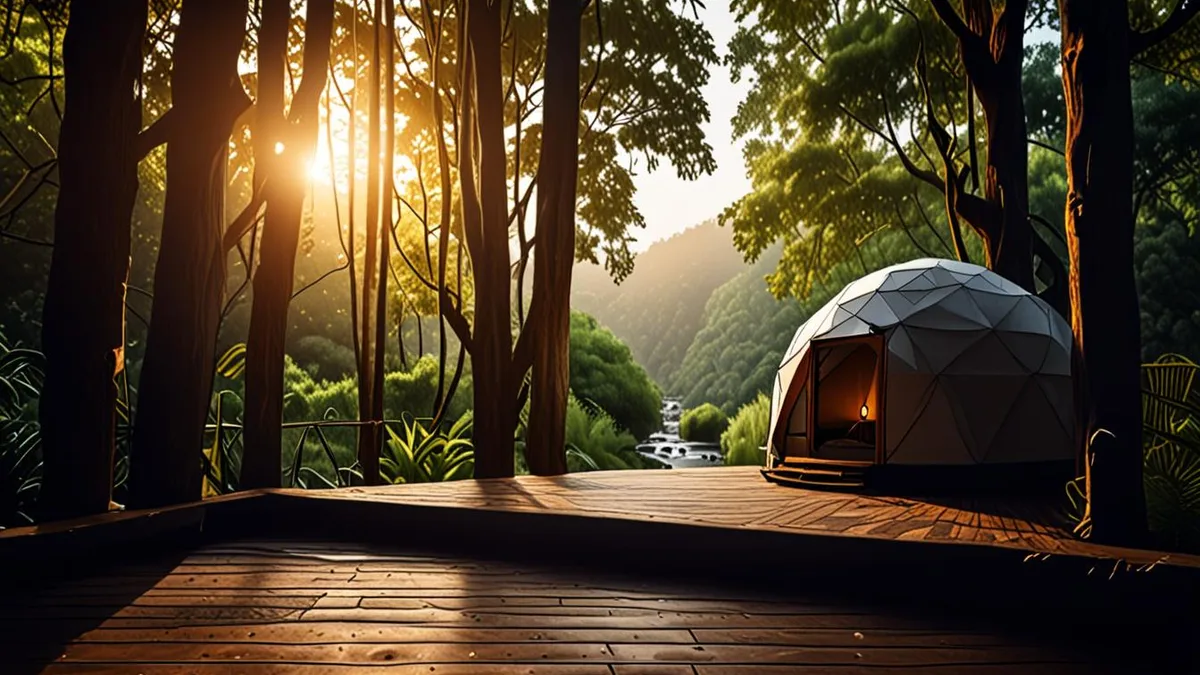
Premium pricing usually reflects location and views, not a comfier bed. A dome perched on a ridge with a glass front commanding a valley panorama can run USD 120–250 per night, while a safari tent 20 minutes away with an equally good mattress costs a fraction of that. You are paying for the photo, not the sleep. Ask yourself honestly whether the sunrise view is worth the difference, or whether a similar tent on flatter ground will serve you just as well.
Before judging any rate, compare what is actually included. One site’s higher price might cover a private bathroom, breakfast and heating, while a cheaper rival charges for every one of those separately. Read the inclusions list carefully, message the site with questions if anything is unclear, and only then decide which offer is genuinely the better deal.
Choosing a Stay Type That Fits Your Budget
The type of tent you book has a bigger effect on price than most travelers expect. Safari tents and bell tents are typically cheaper than geodesic domes with glass fronts, sometimes by a wide margin, yet they still give you a real bed, proper linen and often a private or semi-private bathroom. Domes photograph beautifully, but you pay a premium for that curved frame and panoramic window. If your priority is a good night’s sleep rather than a dramatic backdrop, the classic tent styles deserve a serious look. If you are torn between styles, our guide on how to pick between a glamping dome and a safari tent walks through the practical differences.
Shared-bathroom sites are another reliable way to cut costs. You keep the real bed and fresh linen that make glamping comfortable, and simply walk a short distance to a clean, well-maintained bathroom block. For many travelers this trade-off is easy to accept, especially for one or two nights.
First-timers should prioritize the unglamorous essentials over Instagram extras. Before booking, check these three things:
- Insulation: ask whether the tent has proper flooring, thick canvas or an inner lining, because thin single-layer tents get cold and noisy at night, especially in highland areas.
- Mosquito screening: confirm that windows and vents are screened, since a pretty open-mesh design is miserable in mosquito season.
- Weather protection: look for a solid rainfly, covered entryway and raised flooring, which matter far more than fairy lights or a hammock photo corner.
A tent with good insulation and screening will beat a stylish but flimsy dome every single night you are trying to sleep.
Timing Your Trip for Lower Rates
Dates move glamping prices more than almost anything else. In much of mainland Southeast Asia, the cool highland season runs from November to February, which brings comfortable nights, clearer skies and rates that sit well below the peak holiday weeks. Shoulder-season dates, just before or after the busiest periods, can be 15–30% cheaper than peak season while still offering good weather. For a fuller breakdown of when to go where, see our guide to the best seasons for glamping in Southeast Asia’s cool highlands.
How far ahead to book
Booking 2–3 months ahead usually secures the lowest mid-season rates, because sites want early commitments and reward them with better prices. That said, flexibility pays too: last-minute weekday gaps sometimes appear when sites have empty tents midweek, and operators would rather fill them at a discount than leave them dark. If your schedule is loose, it is worth checking a few days before you want to travel.
Weekends are the quiet budget killer. Weekday nights are commonly 20–40% cheaper than weekend nights at the same site, with the same tent and the same view. Shifting a two-night stay from Saturday–Sunday to Monday–Tuesday can save you enough to cover a transfer or a nice dinner. If you work remotely or can take a weekday off, this is the single easiest saving on this list.
Picking Locations That Cost Less
The fastest way to lower your glamping bill is to change your map, not your standards. Sites located 30–60 minutes outside major tourist hubs often cost noticeably less than their on-site rivals, yet the scenery is frequently just as good. You trade a short drive for a lower nightly rate, and in most cases you also get quieter surroundings and more space between tents.
Highland areas are another reliable shortcut. Spots like Da Lat or Chiang Rai offer genuinely cool nights — the kind where you actually want the provided blanket — at mid-range prices that would barely cover a basic tent closer to the coast. If crisp mountain air is part of why you want to glamp in the first place, these regions deliver it without the premium markup. For a sense of what a highland night feels like, read about a cool mountain night in Da Lat before you book.
Factor in the transfer before you celebrate the savings
One catch with rural sites: many sit far from any bus or train line, and the resort may not include a pickup. You could end up arranging your own taxi or private car, and that fare can quietly eat a chunk of what you saved on the room. Before committing, ask the site what transfer options exist, check whether local ride-hailing apps cover the area, and add the round-trip transport cost to your total. A site that looks cheap on paper can lose its edge once you price the journey, so do the math with the whole route in mind.
Cutting Hidden On-Site Costs
Once you have booked a reasonably priced site, the next threat is the small stuff. Rental fees, overpriced dinners and paid add-ons can quietly turn a bargain stay into an expensive one. The good news is that almost all of these costs are avoidable with a little preparation before you leave home.
Start with the packing list. Many glamping sites rent out exactly the items people forget most often, and those small charges add up — bringing your own basics can save you USD 10–25 in rental or kit fees per stay. A quick check of the site’s suggested packing list a few days before departure is usually enough to catch the gaps.
Food is the other common trap. Remote sites often have exactly one restaurant, and when the nearest alternative is an hour away, prices tend to reflect that. Bring snacks and a thermos so you are not paying premium rates for a bag of chips or a morning coffee, and plan at least some of your own entertainment instead of buying it.
- Pack a headlamp or small lantern with spare batteries — some sites charge per night for lights, and tent lighting is often dimmer than the photos suggest.
- Bring a quick-dry towel and basic toiletries, since a few sites treat these as rentable “amenity kits” rather than standard supplies.
- Fill your thermos at dinner instead of ordering hot drinks at breakfast, when remote cafés sometimes charge the highest markup of the day.
- Ask at reception about nearby trails, villages or markets, then walk there yourself instead of booking the site’s guided version of the same outing.
- Download offline maps before you lose signal, so a self-guided village visit does not turn into an expensive taxi rescue.
Deciding If Glamping Is Worth It for You
Glamping is not automatically the budget choice, and it is not automatically the luxury choice either. Whether it makes sense for you comes down to one honest comparison: what does the same trip cost with a regular room?
In much of Southeast Asia, a mid-range glamping site typically runs USD 40–90 per night for two people. If that lands in the same range as a decent local hotel, glamping usually wins on experience — you get the campfire, the stars and the sense of being outdoors, with a real bed at the end of the night. That is value a hotel room at the same price rarely matches.
When a simple hotel is the smarter pick
Be honest about your non-negotiables. If a guaranteed hot shower, reliable air conditioning or solid walls matter more to you than atmosphere, a basic hotel will often cost less and deliver those things more consistently. Glamping sites vary widely in plumbing and insulation, and even a well-reviewed tent can have a cold-water-only bathroom or a chilly night you did not plan for. Budget travelers who need certainty should not feel pressured into tents for the sake of the aesthetic.
Finally, judge the total trip cost, not just the nightly rate. Add transfers, meals, rental kits and any paid activities to both scenarios before you decide. A tent that looks cheaper per night can end up more expensive once the extras are counted, while a slightly pricier site that includes breakfast, heating and airport pickup can be the real bargain. Run the full numbers, then book whichever option gives you the most comfort for the total you will actually spend.
The Budget Glamping Mindset in Short
Glamping looks expensive in photos, but the real costs are rarely the tent itself. Comfort comes from a good bed, warmth and a clean bathroom, not premium rates. Once you compare what is actually included and skip the add-ons you don’t need, a mid-range site can deliver the same experience as a much pricier dome with a view.
The biggest savings come from two simple choices: travel off-peak and pick a site just outside the main hubs. Plan 2–3 months ahead and pack smart, and your total cost stays low without sacrificing sleep. If this helped you plan a trip, leave a comment or share the article with a fellow traveler.