Many first-time visitors book a Phuket hotel in the wrong area because the island’s beaches and towns suit very different travel styles. A traveler chasing nightlife ends up in a sleepy northern cove, while a couple hoping for quiet books a room above a busy bar street. The right choice depends on what you actually want from your trip.
This guide walks through the main areas to stay in Phuket, from lively Patong and the calmer beaches of Kata and Karon to the quiet north, historic Old Phuket Town, and the timing tricks that affect both price and swimming conditions. By the end, you’ll be able to match the area to your trip before you ever look at a specific hotel.
How Phuket’s Areas Differ at a Glance
Phuket is bigger than many first-time visitors expect, and its neighborhoods have genuinely different personalities. The island splits into three broad zones: a lively west coast home to Patong, Karon and Kata, a quieter north with Bang Tao, Surin and Nai Yang, and historic Old Phuket Town inland. Picking the wrong zone is the most common first-visit mistake, so it helps to understand the layout before booking anything.
Where the beaches face
West-coast beaches face the open Andaman Sea, which means swimming conditions change with the seasons. The water is generally best from November to April, while the monsoon months bring stronger swells and riskier seas. If swimming is a priority, your travel dates matter as much as your hotel choice.
Why distances matter
Distances on the island are longer than they look on a map. Staying in Old Phuket Town, for example, means roughly 45-60 minutes of travel each way to reach the main beaches. That’s fine if you plan cultural days in town, but frustrating if you imagined stepping out of your hotel straight onto the sand. Decide first whether your days will center on the beach or the town, then choose your base accordingly.
Patong: Nightlife and Convenience
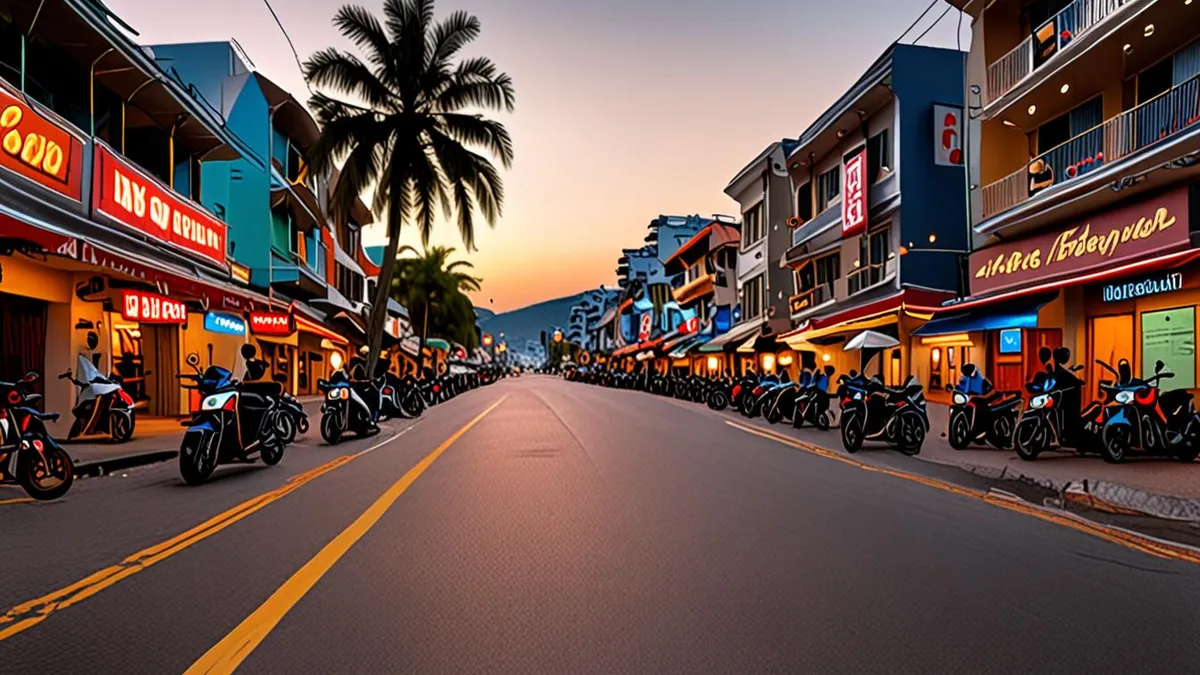
Patong is the best fit for first-timers who want everything within walking distance. Bars, restaurants, shopping malls and the famous nightlife strip are all steps from the beach, so you can plan an evening out without worrying about taxis or scooters. If your idea of a Phuket trip includes late nights and plenty of action, this is the area built for it.
Getting there
Patong is also the most convenient of the main west-coast hubs to reach. The transfer from Phuket International Airport takes around 45 minutes by car, the shortest ride of the major beach areas. That matters after a long flight, especially if you arrive tired or with kids in tow.
Dealing with the noise
The trade-off is crowds and noise. Patong is busy almost every night, and rooms near the nightlife streets can be loud well past midnight. The simplest fix is to choose accommodation facing away from Bangla Road, ideally a few streets back from the main strip. Rooms positioned that way sleep far better while still keeping you within a short walk of everything. If you know you’re a light sleeper, treat this as a non-negotiable when comparing hotels.
Kata and Karon: Beach-First Balance
Kata and Karon are the go-to areas for travelers who put the beach first but still want restaurants and shops nearby. Both sit south of Patong and offer a noticeably calmer pace, making them a strong pick for couples and families who want to relax without feeling isolated.
Kata for couples and swimmers
Kata suits couples and swimmers particularly well. The beach is compact and easy to walk end to end, the feel is more relaxed than Patong, and there are enough cafes and small restaurants to keep evenings pleasant. If you want a beach holiday with a bit of atmosphere but no party scene on your doorstep, Kata is usually the sweet spot.
Karon for space and mid-range resorts
Karon offers a longer stretch of sand and a wider selection of mid-range resorts, which makes it easier to find good value for families or longer stays. It sits roughly 10-15 minutes south of Patong by taxi or scooter, so you can still dip into the busier scene when you feel like it. If you’re weighing resorts here, it helps to compare family resorts before booking your stay, since pool setup, room layout and kids’ facilities vary a lot between properties.
One caveat applies to both areas: the west coast sees monsoon swells from May to October, and Kata and Karon are no exception. Check seasonal surf conditions before booking if your trip falls in those months, and treat red flags on the beach seriously.
Quiet North: Bang Tao, Surin and Nai Yang
If your idea of Phuket involves falling asleep to waves rather than basslines, the island’s northern beaches deserve a serious look. Bang Tao and Surin have built their reputations on upscale, low-key resorts, wide stretches of sand and a pace of life that feels a world away from the west coast’s busier hubs. Both sit around 25-30 minutes from the airport, so you spend less time in a transfer van and more time on the beach.
Nai Yang, further north still, is the closest beach area to the airport. That makes it a smart pick for late arrivals, overnight layovers or short stays where you’d rather not tack on a long drive. The village around the beach has a relaxed, local feel, with simple restaurants and cafes within walking distance of many guesthouses and resorts.
The trade-off is nightlife. Options here are far fewer than in Patong, and evenings tend to revolve around resort bars and beachfront dinners rather than clubbing. For relaxation-focused trips, that’s exactly the point.
- Bang Tao’s lagoon side: the beach backs onto a large lagoon, so some resorts offer calm-water kayaking and paddleboarding even when the open sea is rough.
- Surin’s compact layout: the beach sits close to the main road, making it easy to walk to restaurants and small shops without a car.
- Nai Yang’s national park edge: part of the shoreline borders protected parkland, giving the beach a greener, less developed backdrop than most of the island.
- Casual dining in Nai Yang: the small village streets near the beach are known for inexpensive Thai eateries and seafood spots favored by long-stay travelers.
Old Phuket Town and When It Makes Sense
Old Phuket Town is the island’s cultural counterweight to its beaches. Its streets of restored Sino-Portuguese shophouses, painted in pastel blues, yellows and pinks, hold independent cafes, small museums and weekend markets. It’s the part of Phuket where you wander on foot, coffee in hand, rather than stretch out on a sun lounger.
Geographically, it sits inland, well away from the sand. That distance shapes who this area suits best: culture-focused travelers, digital nomads who want walkable streets and cafes, or anyone splitting a trip between a city stay and a beach stay.
Making the Logistics Work
Beach access is not walkable from Old Town, so this base works best with a rental car or planned day trips. With your own wheels, you can drive to a different beach each morning and return for evening markets and dinner in town. Without one, you’ll be relying on taxis or organized tours, which adds cost and planning to every beach day.
A popular approach is to split your itinerary: a night or two in Old Town for markets, temples and food, then the rest of the trip on the coast. If your whole visit is only a few days and the beach is the priority, though, staying inland will eat into your sand time.
One practical tip: because Old Town sits inland, the west coast’s seasonal swimming pattern matters less to your daily routine here. You can enjoy the cafes, temples and markets in any weather, then choose your beach day around conditions. If monsoon swells roll in during the May to October months, swap the shore for a food walk or a museum morning instead. Check rental car requirements and current local regulations with your operator before you book, as rules and paperwork can change.
Timing Your Booking by Season and Budget
Phuket’s prices swing more than most first-time visitors expect, and the calendar is the main reason. The same resort can charge wildly different rates depending on the week you book, so timing matters almost as much as choosing the right area. A room that feels overpriced in January can look like a bargain a few months later, and travelers who understand this rhythm consistently pay less for better rooms. The good news is that you don’t need insider knowledge to benefit. You just need to decide what matters most for your trip: guaranteed sunshine, lower rates, or a workable compromise between the two. Once you know your priority, the booking strategy follows naturally.
- Lock in peak dates early. For stays between mid-December and early January, book 3-6 months ahead. This is the island’s busiest and priciest window, and the best-value rooms in popular areas sell out first.
- Consider the monsoon season for savings. Stays from May to October often cost 30-50% less than peak-season prices. The trade-off is monsoon-season seas on the west coast, so swimming conditions can be poor even as your room rate drops.
- Target the shoulder months for balance. November and late April typically offer decent weather with softer rates, making them a sweet spot for travelers who want both value and swimmable water.
- Compare before you commit. Check a few booking platforms and the resort’s own website, since rates and cancellation terms can differ between them.
It also pays to be flexible where you can. Shifting your arrival by even a few days around a holiday period can change the rate noticeably, and midweek check-ins often cost less than weekend ones. If a resort offers free cancellation, book early and re-check the price closer to your stay; if it drops, rebook and cancel the original. Just read the cancellation terms carefully, because they vary widely between platforms and direct bookings.
If you want to go deeper on how seasons, festivals and booking windows interact across the region, this guide on when to book island resorts in Southeast Asia breaks down the timing strategy in detail. A little calendar planning goes a long way toward a better room at a better price.
Matching the Area to Your Trip
The most common first-visit mistake in Phuket is picking a hotel before picking an area, and then discovering the location doesn’t match the trip you planned. The fix is simple: match the area to your travel style first. Patong suits travelers who want nightlife and everything within walking distance. Kata and Karon offer the best beach-first balance for couples and swimmers. The northern beaches of Bang Tao, Surin, and Nai Yang are the pick for quiet, relaxation-focused stays, while Old Phuket Town works for culture lovers who don’t mind a 45-60 minute ride to the sand.
Once you’ve chosen an area, let the season shape your booking. Peak dates around mid-December to early January reward early planning, while May to October trades lower rates for rougher seas on the west coast. Get the area right first, and almost any property inside it will work. If this helped you plan your trip, leave a comment or share the article with a fellow traveler.