Choosing between glamping vs camping vs hotel stays trips up even experienced travelers. Each option promises something different: one puts you right on the ground with nature, one softens the outdoors with real beds, and one trades scenery for a hot shower and a quiet, climate-controlled room. The catch is that the “best” choice depends entirely on your route, your season and how much discomfort you actually enjoy.
This guide breaks the decision into practical parts. We compare what each stay type really offers, how comfort and convenience stack up, and what each option costs once you look past the nightly rate. You’ll also find advice on booking windows and seasonal availability, which trip types suit which stay, how to spot a quality glamping site before you pay, and a final framework for matching the stay to your trip. By the end, you should know exactly where to sleep on your next getaway.
What Each Stay Type Actually Offers
Before comparing prices or comfort, it helps to be clear about what you’re actually buying with each option. The three stay types differ far more than their price tags suggest, and knowing the basics makes every later decision easier.
Camping: you bring everything
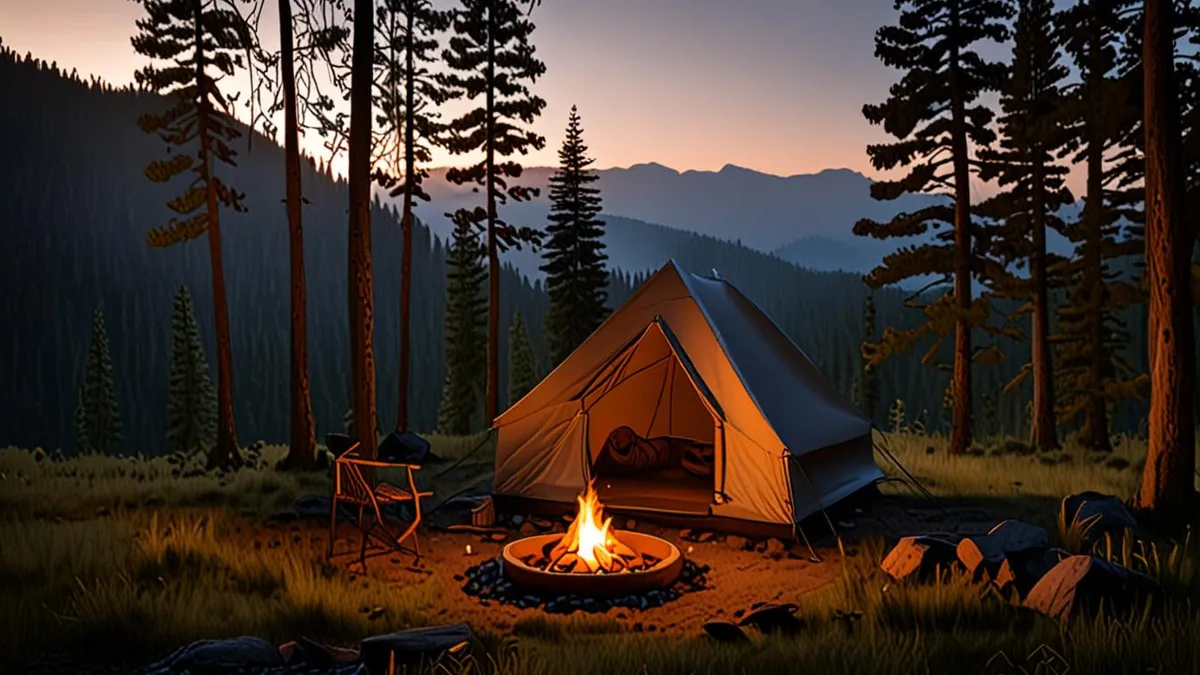
Camping means you supply your own shelter and gear. You pack a tent, sleeping setup and cooking equipment, then set it all up yourself at the campsite. In exchange, you get the cheapest bed of the three: basic campsites usually cost $10 to $40 per night, depending on the location and what facilities exist on site. Some sites have showers and flush toilets, while others offer little more than a flat patch of ground and a fire ring.
Glamping and hotels: comfort built in
Glamping flips the equation. The tent or cabin is already standing when you arrive, with a real bed and usually an en-suite bathroom waiting inside. Prices typically run from $100 to $400 per night depending on region and season, so you’re paying a premium for someone else doing the setup work. Hotels sit at the familiar end of the scale: a private room, climate control and daily housekeeping, with mid-range properties commonly running $60 to $150 per night. Each step up the ladder trades a little connection to the outdoors for a lot of convenience, and the sections below look at whether that trade makes sense for your trip.
Comfort and Convenience Compared
Comfort is where these three options really separate. Camping demands the most from you: a tent, sleeping bag, sleeping pad and cooking gear all need to go in the car, and a night of heavy rain or wind can turn even a well-pitched tent into a soggy, noisy ordeal. Glamping removes that packing burden entirely. You arrive with a duffel bag and walk into a made bed, often with the sounds of the forest right outside the canvas. The trade-off is privacy: walls in a glamping tent are thin, and conversation, music or early risers in the next tent carry easily. Hotels, meanwhile, guarantee hot showers, blackout curtains and reliable Wi-Fi, but they also insulate you most from the outdoors. You may go a whole hotel stay without really noticing the landscape around you.
The gap between promise and reality shows up most clearly in remote settings. A stay like a remote night on Atauro shows how simple accommodation can still deliver an unforgettable experience, provided you know what you’re signing up for.
- Sound carries differently in each. In a tent you hear every rustle outside; in a glamping tent you hear your neighbors; in a hotel you mostly hear hallway doors and air conditioning.
- Temperature control varies sharply. Camping and glamping both depend on the weather and whatever heating or blankets are provided, while a hotel room has a thermostat you set yourself.
- Morning routines differ too. Campers boil water on a stove, glampers may get breakfast delivered or served, and hotel guests walk down to a restaurant or buffet.
Cost Breakdown Beyond the Nightly Rate
The nightly rate tells only part of the cost story, and comparing the three options on rate alone can mislead you badly. Camping looks cheapest at first glance, since campsite fees sit at the low end of the three stay types. But that figure assumes you already own the equipment. A starter setup — tent, sleeping bags, pads, a stove, a cooler and basic cookware — often runs $200 to $500 before you’ve spent a single night outside. Spread over many trips, that investment shrinks; for a one-off weekend, it can easily exceed what you’d pay for a roofed room.
Glamping’s simpler math
Glamping is the easiest to budget. Its typical $100 to $400 per night rate usually includes bedding, and many sites bundle in meals, firewood or activities, so there’s little to buy before you go and few surprises on arrival. You’re paying more per night, but almost all of it is the actual cost of the stay.
Hotel rates that grow
Hotels work the other way: the advertised rate often understates the real spend, and mid-range properties commonly run $60 to $150 per night before any extras. Parking, resort fees and tourist taxes can all push the final bill higher — and since official taxes and local fees change from year to year, check the current rate with the property or your booking platform before you commit. Add dinners at the hotel restaurant and the gap between headline price and real cost widens further. The practical takeaway is to compare total trip cost, not the nightly number: gear purchases for camping, extras for hotels, and inclusions for glamping all shift the math before you decide which option is genuinely cheapest for your trip.
Booking Windows and Seasonal Availability
Timing matters more for camping and glamping than most travelers expect. Glamping sites usually have a small number of tents or cabins, sometimes fewer than ten, so a single busy weekend can wipe out their entire inventory. For peak season, book 2 to 3 months ahead to get a real choice of dates and units rather than whatever is left.
In temperate regions, the glamping season generally runs from April to October, and those months fill fast. Spring and early autumn dates often sell out first because travelers want mild weather without summer crowds. If you are flexible, midweek stays are easier to secure and often quieter.
Campsites in popular national parks are even tighter. The most sought-after spots can sell out up to 6 months in advance, especially for summer weekends when families and road-trippers all compete for the same sites. If you miss the initial release, check for cancellations, since reservations do free up as plans change.
Hotels are the opposite story. They offer the widest availability year-round, including monsoon and winter months, which makes them the safest pick when weather is unpredictable or you are booking at the last minute.
- Glamping: aim for 2 to 3 months of lead time in peak season, and book earlier than that if you want a specific unit, like a treehouse or a tent with an en-suite bathroom.
- Camping: set a calendar reminder for the day reservations open, because popular national park sites for summer weekends can disappear within hours of release.
- Hotels: use them as your fallback for monsoon or winter trips, when glamping sites may close entirely and camping becomes impractical.
Which Trip Type Suits Which Stay
The right stay depends less on your budget and more on what your trip actually looks like day to day. A traveler walking a multi-day trail has completely different needs from a couple celebrating a weekend away.
When camping makes sense
Choose camping for multi-day hiking routes where you sleep in a different spot each night. Carrying your own tent and stove is the only practical way to stay flexible on a long trail, and waking up at the trailhead saves hours of backtracking. The low nightly cost also adds up over a week-long route.
When glamping or hotels fit better
Glamping suits a first nature escape, especially with a partner. You get the sounds and smells of the outdoors without sleeping on the ground, and a pre-set tent with a real bed removes most of the stress from the experience. If you want a picture of what that feels like, read about spending a cool mountain night in Da Lat, where the appeal is the crisp evening air and the scenery rather than the hike itself.
Hotels win for city bases, long trips and any itinerary where work or reliable sleep matters. If you need dependable Wi-Fi for calls, a desk, blackout curtains and daily housekeeping, a hotel removes the friction that nature stays introduce. They are also the practical choice for trips longer than a week, when you will want laundry and a proper bathroom more than a view from a canvas wall.
A simple rule of thumb: match the stay to the hardest night of your itinerary, not the easiest one.
How to Spot a Quality Glamping Site
Glamping listings vary wildly in quality, and the photos rarely tell the whole story. A beautifully styled tent can still leak in heavy rain or sit meters from a noisy neighbor. The details in the listing text tell you far more than the lifestyle shots.
Start with the basics. A quality listing states the exact bed size, the bathroom type and whether there is heating, not just phrases like “cozy safari tent.” If a site cannot tell you whether the bathroom is en-suite or shared, or whether the tent stays warm at night, treat that as a warning sign.
Reviews are your second filter. Scan recent ones for mentions of rain performance, insects and noise between tents. Older reviews may describe a different management team or an outdated setup, so prioritize comments from the last season.
Finally, confirm what the rate actually includes. Some sites bundle meals, firewood and activities into the price, while others charge for each one separately, which changes the real cost of your stay considerably.
- Ask about the tent’s age: canvas degrades over time, so a tent that is several seasons old may be less watertight than the listing photos suggest.
- Check the site layout: ask how far apart the units are and whether your tent faces the sunrise or the parking lot, since orientation affects both privacy and noise.
- Confirm meal arrangements: some sites include breakfast or dinner, while others have no kitchen on site at all, which matters if the nearest restaurant is a drive away.
- Verify heating and cooling: tents can get surprisingly cold at night even in warm months, so ask what heating is provided and whether extra blankets are included.
Matching the Stay to Your Trip
There is no single winner here. Camping suits self-sufficient hikers who are happy to carry their own shelter, glamping suits comfort-seeking nature lovers who want a real bed under canvas, and hotels suit convenience-first travelers who value reliable sleep and service above all else.
To decide, weigh the nightly rate against the real total cost, factor in booking lead time and the season you are traveling in, then match the stay to your route, your companions and how much roughing it you genuinely enjoy. If that still feels like a close call, tell us in the comments which way you lean, or share this article with the travel partner you are planning with.