Booking a riverside lodge for the first time can feel like guesswork. You see photos of wooden chalets over calm water, but the listing rarely tells you whether hot water is standard, whether breakfast is included, or why one room costs twice as much as another in the same place. Many travelers end up paying extra for things they assumed were included, or missing out on basics they never thought to ask about.
This guide breaks down what a riverside lodge typically offers, what you can expect to pay at each comfort level, and which facilities are worth confirming before you book. We’ll compare river-view and garden rooms, explain when to book and how far ahead, and cover what it actually takes to reach these properties and live by the water. By the end, you’ll know exactly which questions to ask and what a fair rate looks like.
What a Riverside Lodge Actually Offers
Most riverside lodges follow a similar blueprint, and once you know it, choosing between them gets much easier. Nearly every property has an open-air restaurant where breakfast and dinner are served with a view of the water, a river deck or small jetty where guests can sit with a drink or hop onto a boat, and a modest lounge area with cushions, books or board games for the hours between activities.
Room types to expect
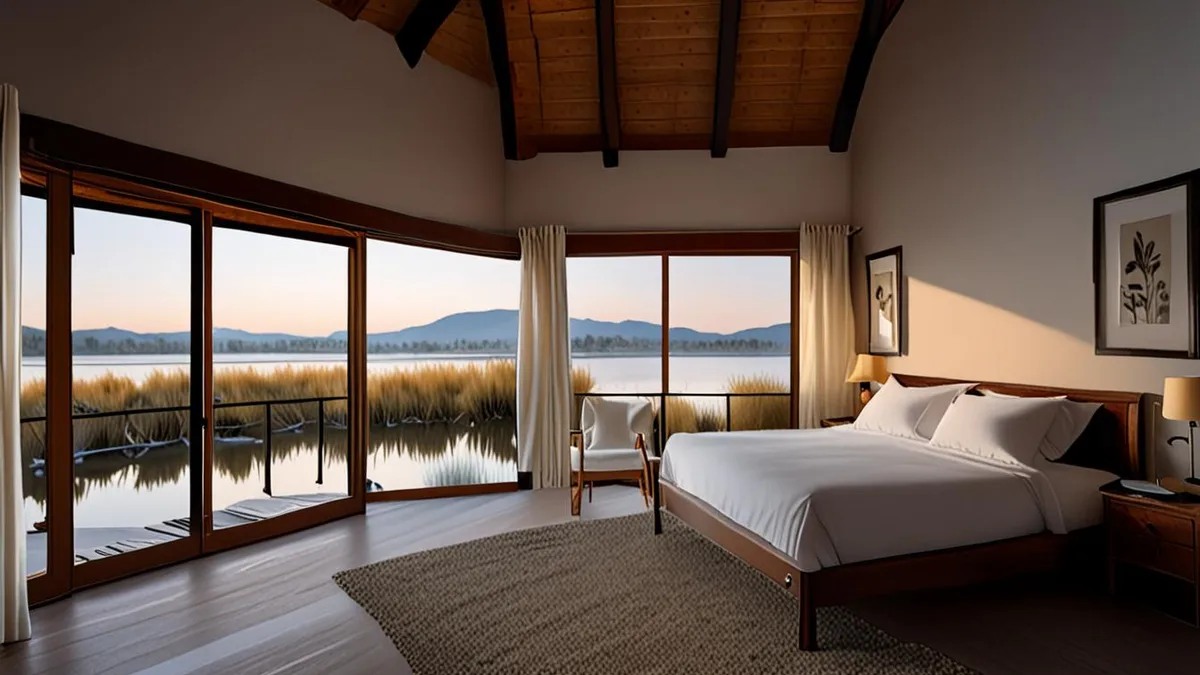
Accommodation usually falls somewhere on a spectrum from simple to comfortable. At the basic end, you’ll find fan-cooled wooden chalets with a bed, a mosquito net and little else. Mid-range properties add private bathrooms, hot showers and small terraces. At the top of the range, air-conditioned suites come with private balconies facing the river, sometimes with outdoor bathtubs or daybeds positioned for sunset.
What’s often included for free
One pleasant surprise at many lodges is how much comes at no extra charge. Free kayaks are common, letting you paddle upstream or across the river whenever you like. Hammocks strung between trees or under the chalets are part of the furniture, not an upsell. Most lodges also give guests direct access to the river for swimming, either from the deck, a small beach or a designated swimming spot. Check the listing or ask by email to confirm what’s included, since a few properties charge separately for kayak use or guided paddling trips.
Riverside Lodge Costs: What You Pay at Each Level
Riverside lodge pricing splits neatly into three tiers, and knowing which one you’re looking at helps you judge whether the rate is fair. Budget rooms typically run USD 15-25 per night. At this level, expect shared bathrooms, cooling from a fan rather than air conditioning, and walls thin enough that you’ll hear your neighbors’ conversations. It’s basic, but the river deck and restaurant are usually the same ones paying guests at higher tiers use.
Mid-range doubles usually cost USD 30-80 per night. This is the sweet spot for most travelers: a private bathroom, breakfast included, and often a balcony or terrace facing the water. The rooms are larger, the mattresses are better, and staff typically speak enough English to arrange local activities.
Upscale lodges run USD 100-250 per night, and the higher rate usually buys a package rather than just a room. Before comparing prices across tiers, look at what each one bundles:
- Meals: upscale rates often cover full board, so a room that looks expensive may cost less overall once you add up the dinners and lunches you’d otherwise pay for separately.
- Boat transfers: many high-end lodges include pickup from the nearest town or pier, which budget properties usually charge for as an add-on.
- Guided river activities: sunrise boat trips, kayaking tours or fishing sessions are often built into the nightly rate at the top end, while lower tiers price them individually.
The practical move is to compare total cost per day, not the headline room rate. A USD 120 lodge with meals and transfers included can beat a USD 50 room once you add everything up.
Facilities Worth Checking Before You Book
Photos don’t tell you whether the hot shower actually works at 6 am, so a short email before booking pays off. The single most important question is how the lodge handles power and water. Ask whether hot water, WiFi and electricity run 24 hours a day or on a generator schedule. In budget lodges, electricity is often switched off between roughly 11 pm and 6 am, which means no fan, no charging and no light in the middle of the night. If you need to work online or sleep with a fan, this changes everything.
Mosquito protection is the second thing to confirm, especially in low-lying river areas where insects are most active at dawn and dusk. Ask specifically whether windows have proper screening and whether beds have nets, and whether those nets are tucked and intact rather than decorative.
Finally, check the practical items that vary widely between properties:
- Life jackets: if you plan to kayak or swim, ask whether the lodge keeps jackets in various sizes and whether children’s sizes are available.
- Drinking water: confirm whether the lodge provides free filtered or bottled water for refilling your bottle, or whether you need to buy it. Remote river locations often have no shop within walking distance, so this matters more than you’d expect.
- A safe for valuables: some lodges have in-room safes, others keep a locked box at reception; know which one you’re getting before you arrive with passports and cash.
Lodges that answer these questions clearly and quickly usually run a well-organized operation overall, which is itself a useful signal.
River-View Rooms vs Garden Rooms: Paying for the View
When you book a riverside lodge, the view is usually the biggest single factor in the price. River-view rooms typically carry a 20-40% premium over equivalent garden-view rooms in the same lodge. That can add up over a week-long stay, so it is worth asking yourself how much time you will actually spend sitting on that balcony watching the water.
There is a real case for the garden side, though. Rooms set back from the river are usually quieter at night, since you are further from boat traffic, early-morning longtails and guests chatting on the deck. The trade-off is simple: you lose the sunrise-over-water wake-up that many people come for in the first place. If you spend your days out on the river deck anyway, a garden room can be the smarter spend.
Watch the floor you choose
Ground-floor river rooms come with a seasonal warning. In the wet season, they may flood or simply feel damp, with humidity seeping into bedding and luggage. If you are traveling during months when the river runs high, upper floors are safer bets. Ask the lodge directly where the water reaches at its highest, and request an upstairs room if there is any doubt. A quick email before booking can save you a soggy night and a ruined bag.
When to Book a Riverside Lodge and How Far Ahead
Timing matters more at riverside lodges than at most city hotels, because the best rooms are limited and the seasons are dramatic. In much of Southeast Asia, peak season runs from November to February, and river-view rooms during those months need 2-3 months of lead time. Leave it later and you will likely be choosing from whatever garden-side rooms remain, at peak prices.
Shoulder months stretch your budget
If your dates are flexible, aim for the shoulders. March-April and September-October often see rates 20-30% lower than the peak, with the same lodges, decks and sunsets. You may trade some cool, dry weather, but you gain quieter decks and easier availability. For a personal look at how one stay played out across a season, it helps to read a firsthand account of a riverside lodge stay before committing.
Think about water levels, not just prices
Water levels shape your stay as much as the calendar does. In high-water months, swimming spots and river trips are often limited or off the schedule entirely. In low-water months, the opposite problem appears: jetties can be stranded above the waterline, meaning boats moor further out or stop running. Ask the lodge what the river is doing in your travel window and whether their boat transfers and swimming access are affected. A few minutes of checking turns a gamble into a plan.
Getting There and Living With the River
Part of the appeal of a riverside lodge is that it is deliberately hard to reach. Many sit 5-15 minutes from the nearest road, reached by boat, a footpath or a bumpy track. That last stretch is what keeps the setting quiet and the riverbanks unspoiled, but it also shapes how you should pack and plan your arrival.
Pack light and waterproof
Luggage is often carried by hand or by boat over the final stretch, so hard-shell suitcases and overstuffed duffels become a real problem. A backpack you can carry comfortably for ten minutes is the right tool. Keep electronics, documents and anything fragile in waterproof bags, since spray from the boat or a sudden downpour on the walk is always possible. If you cannot lift your own bag easily, you will be relying on staff goodwill over slippery ground.
Run on river time
Expect early nights and early mornings. River lodges run on daylight, not city schedules: breakfast is served early so guests can catch misty water and active wildlife, and dinner is usually done soon after dark. Generator hours, if the lodge uses them, reinforce the rhythm. Rather than fighting it, plan around it. Book an early boat, bring a book for the evening, and set your alarm for sunrise. The payoff is the river at its best, when the light is soft and the day has not yet begun.
Wrapping Up Your Riverside Lodge Plan
A riverside lodge stay becomes much easier to plan once you know what to expect and what to double-check before paying a deposit. Start by matching your budget to the level of comfort you actually need, since the difference between a basic chalet and an upscale lodge is bigger than the price gap suggests. Meals, transfers and guided activities are often bundled at the higher end, which can make a pricier room better value than it first appears.
Then focus on the details that vary most from lodge to lodge. Ask how power and hot water are supplied, because many budget properties run on generators and cut electricity overnight, so charge your devices before bed and pack a small flashlight. Confirm mosquito protection, and check how you will actually reach the lodge, since many sit a short distance from the nearest road and are reached by boat or on foot rather than by car.
Finally, think about timing. If you want a river-view room during the busiest months, book well in advance, as the best rooms go first. With those boxes ticked, you can settle in and let the river do the entertaining. If this helped you plan your trip, leave a comment or share the article.