You’ve picked your destination, you know you want to be surrounded by nature, and then you hit the classic booking dilemma: lodge vs glamping. A lodge promises solid walls, a hot shower and a proper restaurant after a long day on the trails. A glamping tent promises falling asleep to insects chirping and waking up to mist rolling over the hills. Both sound appealing, and both can be the right choice — just not always for the same trip.
This guide breaks the decision down into the things that actually matter. We’ll compare the core differences between the two stay types, look at the comfort and facilities you really get for your money, and see where each one is located. We’ll also cover when to book for the best rates, which trip types suit tents versus lodges, and finish with a quick checklist you can run through before you hit that reserve button. By the end, the right choice for your trip should be obvious.
Lodge vs Glamping: The Core Differences at a Glance
The simplest way to understand the lodge vs glamping question is to look at what each one physically is. A lodge is a permanent building: solid walls, a proper roof, en-suite bathrooms and reliable power around the clock. If a tropical downpour hits at 2 a.m., you’ll hear it drumming on the roof while you stay dry under a real ceiling.
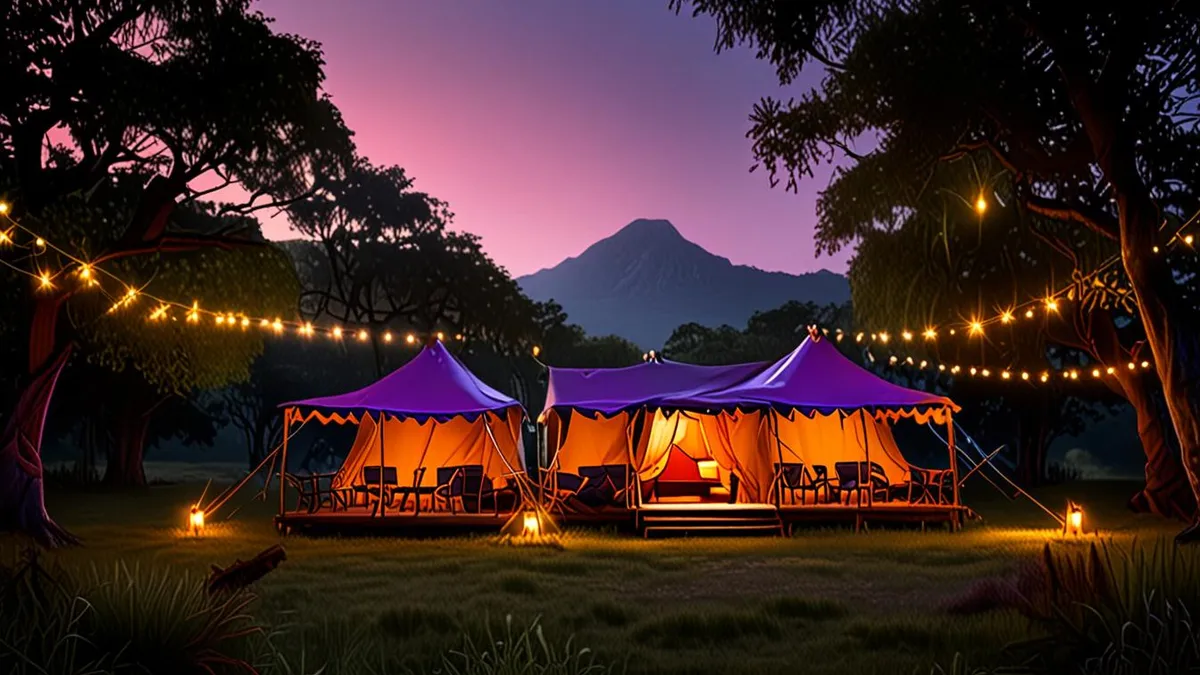
Glamping takes a different approach. You still get a real bed, furnishings and usually lighting, but the walls are canvas or a geodesic dome. That thin layer of fabric is the whole point — you hear the rain, the wind and the night wildlife far more directly. It’s comfort layered over camping, not a hotel room in disguise.
How the prices compare
Here’s the part that surprises many travelers: the price bands overlap heavily. In Southeast Asia, mid-range lodges typically run US$50-120 per night, while glamping tents typically run US$60-150 per night. In other words, choosing the tent doesn’t automatically save you money — sometimes it costs more than a solid-roof room.
So price alone rarely decides it. The real differences show up in bathroom setups, weather resilience and how close you sleep to the elements, which is exactly what the next sections unpack.
Comfort and Facilities: What You Actually Get
On paper, both stay types promise a bed and a roof over your head. In practice, the facility gap between a lodge and a glamping tent is where most travelers feel the difference. Lodges come with solid walls, en-suite bathrooms and 24-hour power, so you can count on a hot shower and a charged phone after a long day on the trails. Many also have on-site dining, which means you can eat well without leaving the property.
Glamping usually gives you a real bed and lighting, but the supporting facilities vary enormously from site to site. Canvas walls share nature more directly, and bathrooms are often shared or semi-open to the air. Power may be limited to a few hours in the evening or a single charging socket. Before booking a tent, it helps to read a detailed breakdown of what to expect at a rainforest lodge, from facilities to costs, because that baseline is exactly what you’re trading away.
Rainy-season comfort is the other big divider. From roughly November to March in much of Southeast Asia, daily downpours and constant humidity hit canvas far harder than a solid-roof lodge. Tent stays in those months can mean damp bedding, musty smells and more insects inside than you’d like, while a lodge simply closes the windows.
- Semi-open bathrooms: some glamping showers have bamboo or canvas walls with gaps at the top, so you may share the space with geckos and moths — charming for some, a dealbreaker for others.
- Power limits: many tent sites run on generators or solar, meaning no air-conditioning and sometimes no hairdryer, so pack a power bank and check what’s actually powered before you book.
- Housekeeping frequency: lodges usually offer daily cleaning, while some glamping sites skip it entirely for short stays, so ask in advance if you’re staying several nights.
Location and Access: Where Each Stay Type Shines
Location is where the two stay types genuinely differ in character. Most lodges sit 30-90 minutes from trailheads or park gates, and they tend to be on roads that taxis and rental cars can reach year-round. That makes logistics simple: you can day-hike, return for a hot shower, and head out again the next morning. If you’re planning a national park trip, it helps to compare which lodge areas sit closest to the parks you want to explore before booking.
Where glamping wins on setting
Glamping sites are often closer to wild terrain — on ridgelines, crater rims and lakeshores where a conventional building would be impractical. You trade convenience for sunrise views straight from your tent door and night skies with almost no light pollution. The trade-off is access: some sites involve a short walk from parking, and a few sit on roads that get rough after rain.
Scenic areas like Kintamani in Bali or Lake Toba in Sumatra work well for both stay types, since lodges and tent sites share the same dramatic backdrops. The deciding factor is the road, not the view. Mountain routes can be steep, winding and slow, so check current road conditions before you commit to a tent — hauling luggage up an unpaved track in the rain is nobody’s idea of a scenic arrival.
Cost and Booking: When to Reserve Each Stay
Timing matters just as much as stay type when you are booking a nature trip. The same tent or lodge room can cost noticeably more in peak weeks, and the best units often sell out first. A scenic dome with a valley view or a lodge room closest to the restaurant tends to get snapped up early, while late bookers are usually left with the least appealing options. A little planning goes a long way here, and it rarely takes more than an hour of your time.
Here is a simple booking sequence that works for both lodges and glamping sites.
- Lock in your dates early for peak windows. For travel between December and February or June through August, reserve either stay type 2-3 months ahead. Popular lodges near park gates and small glamping sites with only a handful of tents fill quickly, and some properties release their best units to early bookers.
- Shift to shoulder months if your schedule is flexible. Traveling between March and May or September and November typically cuts rates by 20-30%. These months also suit glamping best, since you get lower prices and drier conditions than the heart of the rainy season.
- Compare total cost for your whole group, not the nightly rate. Glamping often charges per tent for two guests, while lodges price per room. A family of four may need two tents or one family room, so run the math both ways before assuming one option is cheaper.
One last tip: once you have a price in mind, message the property directly and ask what is included. Breakfast, airport or park transfers, and activity add-ons can swing the real cost more than the headline rate does. Ask about cancellation terms too, especially if you are booking months in advance and your plans might shift. A quick message now can save you an awkward surprise at check-in, and some properties will match or improve a rate you found elsewhere if you ask politely.
Which Trip Type Fits Glamping, Which Fits a Lodge
Neither stay type is better in a vacuum; each fits a different kind of trip and a different kind of traveler. Glamping rewards people who want atmosphere and are genuinely happy to trade some convenience for it, while lodges reward those who need reliability over many consecutive nights. The most common disappointment in this part of Southeast Asia is simple: someone books canvas for a trip that actually needed solid walls, then spends three nights fighting damp bedding and mosquitoes instead of relaxing. Matching the stay to your trip style up front prevents almost all of that.
Glamping shines on short breaks where the accommodation itself is the highlight of the itinerary. Think a one- or two-night escape built around stargazing and a campfire, a honeymoon with a scenic deck and sunrise coffee brought to your tent, or a light-packing traveler who genuinely does not mind insects, humidity and the sounds of the forest at night. For those trips, the slight discomfort is part of the charm rather than a problem to solve.
Lodges, by contrast, are the workhorses of a longer itinerary. They handle multi-night stays, family logistics and back-to-back hiking days without wearing you down, and they give you a dependable base to return to each evening.
- Short romantic breaks: a private tent with an outdoor deck turns a quick weekend into an occasion, something a standard lodge room rarely matches.
- Family trips with kids: solid walls, lockable doors and on-site facilities like a pool or restaurant make lodges far easier with young children in tow.
- Workations: lodges with 24-hour power and a proper desk or table let you take calls without worrying about a charging schedule.
- First-timers to tropical nature stays: start with a lodge to learn your personal tolerance for heat, humidity and bugs, then try glamping once you know your limits.
If you are still torn after weighing all of this, let trip length make the final decision for you. Under three nights, glamping feels like a genuine adventure and the novelty carries you through. Beyond that, most people find themselves appreciating a lodge’s dependable hot showers, solid roof and consistent power far more than they expected to. Whichever way you lean, be honest about what you want from the trip before you book, because switching mid-journey is rarely practical in remote areas.
How to Decide: A Quick Checklist Before You Book
A few minutes of checking before you pay can save you a miserable night in a damp tent or a lodge that turns out to be hours from the trail you came for. Glamping listings vary more widely than lodge listings, because each tent, dome or deck is often individually designed and photographed at its best angle. Lodge listings tend to follow a more predictable pattern, so the descriptions are easier to compare. Either way, photos rarely show the bathroom setup, the power situation at midnight or how far the nearest restaurant actually is. A short email or message to the property before booking clears up most of these questions, and slow or vague replies are themselves a useful signal about how the property is run. Run through this checklist before booking either stay type.
- Check the rainy-season calendar for your travel month. In much of Southeast Asia, roughly November to March brings humidity, damp and insects that hit canvas stays hardest. If your dates fall in that window, favor a solid-roof lodge or pick a glamping site with raised decks and covered walkways.
- Confirm bathroom setup, power supply and meals. Some glamping units have private en-suite bathrooms; others use shared or semi-open facilities a walk away. Ask whether power runs all night, if outlets are in the tent, and whether dinner is available on-site or you must drive to the nearest town.
- Match the stay to your itinerary. If your days are full of hiking, a lodge near the trailheads saves you early-morning driving. If the stay itself is the finale, a glamping site with a sunset view makes a memorable last night.
Write down your answers before you book, and compare them against each listing side by side. Note which questions each property answered willingly and which ones it dodged, since that often reveals as much as the answers themselves. If a listing cannot confirm basics like hot water, bedding or access after dark, treat that as a warning sign rather than an oversight. The right choice is usually obvious once you know your dates, your comfort limits and what each property actually provides. Ten minutes of verification is a small price for a trip where the accommodation matches the photos and the plan.
Wrapping Up Your Lodge vs Glamping Choice
So which nature stay suits your trip? If comfort, dependable facilities and rainy-season reliability top your list, a lodge at US$50-120 per night is the safer bet. If scenery and atmosphere matter more, glamping at US$60-150 per night delivers views and nights under canvas that a solid-walled room rarely matches, especially in the dry shoulder months.
Whichever way you lean, book 2-3 months ahead for peak season, then let your trip length and comfort needs make the final call. Short scenic escape or long hiking base? The answer is already in your itinerary. If this helped you decide, leave a comment or share the article with a travel buddy.