Many travelers book a mountain lodge stay in Southeast Asia without realizing that one wrong month can mean fog, downpours or closed roads instead of sunrise views. Highland weather here flips hard between seasons, and the difference between a clear morning over the valleys and a week of gray mist often comes down to when you go.
This guide walks through the whole year, section by section. You’ll see why timing matters so much in the mountains, what the classic dry season from November to February really delivers, and why March to April can be a smart quiet-season pick. We’ll also look honestly at the wet months from May to October, cover how far ahead to book, match seasons to specific regions, and finish with a simple way to choose your perfect month.
Why Timing Matters for a Mountain Lodge Stay
Highland weather in Southeast Asia doesn’t drift gently between seasons. It flips sharply from months of dry, clear days to a wet season that can change everything about your stay: the views from your balcony, the condition of the road up the mountain, and the price on your booking confirmation. A lodge that costs a fortune and books out months ahead in January can sit half empty in September, with rates that reflect the rain outside.
Same lodge, two completely different trips
The clearest way to understand this is to imagine the same room at the same lodge in two different months. In January, you might wake to cool air, a bright sky and a valley stretching out below you, with the whole place feeling like a serene retreat. In September, that identical room can feel like a fogged-in, rain-soaked hideout, where the view is a wall of gray cloud and your planned hike turns into a muddy shuffle.
That’s not bad luck. It’s the pattern of highland weather, and it’s predictable enough to plan around if you know what to look for.
Why mountains punish bad timing more than beaches do
On a beach trip, a rainy day often means a passing shower or an afternoon storm, and then the sun comes back. In the mountains, a wet month can mean mist that sits on the ridge for days, roads that turn slow and slippery, and sunrises you simply never see. Choosing the right month matters more here than almost anywhere else in the region, and the sections below break down exactly how to do it.
November to February: The Classic Dry Season Window
From November to February, most of Southeast Asia’s highlands get their best weather of the year. The air turns cool and dry, the skies clear out, and sunrise views across the ridgelines become the norm rather than a lucky break. This window stretches across the region, from the highlands of northern Thailand all the way to the mountains of Indonesia, and it’s when lodges look exactly like the photos that convinced you to book.
Mornings have a real bite to them at elevation, so pack a warm layer even if you’re coming from a tropical lowland. Days stay pleasant, and the combination of crisp air and open skies is what makes this the classic season for a mountain lodge stay.
The cost of perfect weather: peak rates and fast sell-outs
Everyone else has figured this out too. Expect the highest rates of the year and the fastest sell-outs during this window, especially around Christmas and New Year, when popular lodges can fill up well in advance. If you’re set on a specific lodge with a famous view, treat this period like booking a holiday-weekend hotel, not a casual getaway.
One catch: valley fog on December and January mornings
Here’s the detail that surprises many first-time visitors. In December and January, mornings can bring valley fog at elevations above 1,000 meters, which means a lodge positioned down in the valley can wake up inside a cloud while the ridges above stay clear. If a sunrise view is your main goal, look for lodges known for their elevation rather than their valley views, and ask directly about morning conditions before you commit.
I learned this the hard way on a stay outside Chiang Mai, which I wrote up in a story about my mountain hideaway in the hills. The fog was beautiful in its own way, but it wasn’t the sunrise I’d planned for.
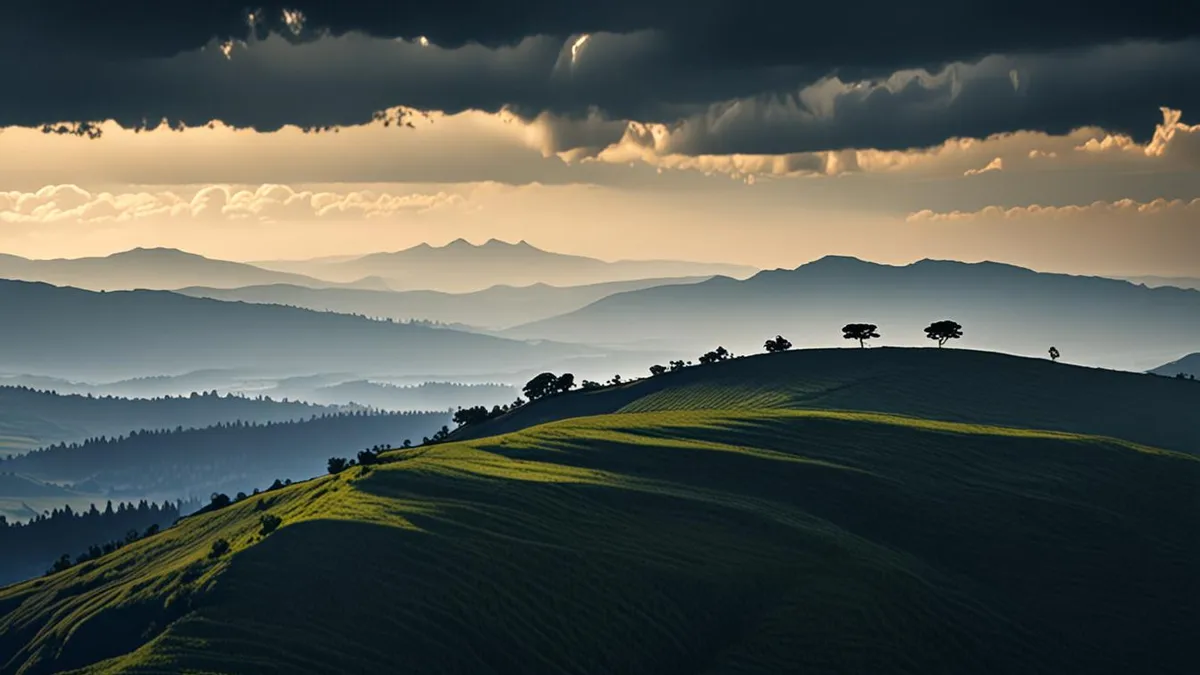
March to April: Warm Days, Quiet Trails
March to April sits in the shoulder season across most Southeast Asian highlands, and that’s exactly why savvy travelers like it. The peak-season crowds have gone home, lodges quiet down noticeably, and rates drop below what you’d pay in the November to February window. You get the same rooms, the same fireplaces and often the same staff attention, without the peak-season price tag or the need to book months ahead.
It’s a good window for travelers who want lodge comfort without peak-season pricing, whether that’s a long breakfast on the terrace or an afternoon doing absolutely nothing while the mountains do the scenery work for you.
Clear mornings, hot middays
The trade-off is heat. Mornings usually stay clear and pleasant, but midday temperatures climb as the dry season winds down, and by early afternoon the sun can feel heavy at lower elevations. The fix is simple: plan your hikes and sightseeing before 10 am, then spend the hottest hours back at the lodge with a book, a pool or a very long lunch. By late afternoon the heat eases again, which is a nice time for a second, shorter walk.
Who this window suits best
If your priority is value and quiet rather than the crispest air of the year, March to April is hard to beat. You’ll trade some midday warmth for empty trails, softer rates and lodges where you’re one of only a handful of guests. For a stay built around slow mornings and lodge time itself, rather than packed sightseeing days, this shoulder season fits the bill nicely.
It’s also a rewarding time in Indonesia’s highlands. My own morning in Bali’s Kintamani area, which I described in a piece about a mountain morning by the volcano, showed how clear the early hours can be before the day warms up. Just check local conditions for your specific region before you lock in dates, since patterns vary across the region.
May to October: What the Wet Season Really Offers
The wet season gets a bad reputation, but for travelers watching their budget, May to October is the smartest window of the year. Highland lodge rates often drop 20-40% during these months, and the properties themselves feel completely different. Instead of competing for sunrise decks and dining tables, you might have the fireplace lounge to yourself and staff who have time to chat about the area.
The rain also follows a fairly predictable rhythm in most highland areas. Mornings typically start dry and cool, with clouds building through late morning before afternoon bursts roll in. That gives you a reliable daily pattern: get your walks, photography and sightseeing done early, then settle in with a book or a spa treatment while the rain does its thing outside.
That said, not all wet season months are equal. September and October are the wettest months across most of the region, and some mountain roads become slow or slippery during heavy rain. If you are considering a remote lodge during these months, ask the property directly about road access and whether they recommend arriving by daylight hours. For a closer look at what mountain driving in the region can involve, this guide to sleeping along Luzon’s mountain roads covers the realities well.
- Ask whether the lodge offers airport or town transfers with four-wheel-drive vehicles, since some properties switch to different vehicles or adjust pickup times during heavy rain.
- Check if your room has covered outdoor space or a common lounge with views, because you will spend more time at the lodge during afternoon downpours than you would in the dry season.
- Confirm the lodge’s cancellation policy before booking, as rare storms can occasionally affect access roads and ferry or flight schedules to highland regions.
- Look for lodges that include indoor activities such as cooking classes or guided walks between rain showers, since the best wet season properties plan their daily schedule around the weather pattern.
How Far Ahead to Book Your Lodge
Booking windows for mountain lodges work differently than for city hotels or beach resorts. The best highland properties are small, often with fewer than 20 rooms, and the rooms with the best views go first. That means the lodge you have your eye on may still show availability online while its top-view rooms are already spoken for. A simple timeline makes the whole process much easier, and it starts with counting backward from your travel dates rather than booking on impulse.
- Count back from your travel dates. If you want a December or January stay in a popular highland area, mark your calendar to reserve 2-3 months ahead. These are the peak months for the region, and the most sought-after lodges can fill their best rooms well before the season starts.
- Give yourself flexibility for shoulder and wet season trips. For March-April stays and any trip between May and October, booking 2-4 weeks ahead is usually enough. Because demand is softer in these windows, waiting until the last minute can actually work in your favor and unlock discounts that properties offer to fill empty rooms.
- Check which days of the week you plan to stay. Weekend and holiday dates fill faster than midweek dates in every season, so if your schedule allows a Sunday-to-Wednesday stay, you will have more choice and often better rates regardless of when you book.
- Request specific rooms rather than just a reservation. Once your dates are locked, email the lodge directly and ask for the room category or position you want, since the highest-view rooms are allocated in booking order.
One last tip: after booking, reconfirm your arrival details a week before you travel, especially for remote lodges where transfers or road conditions may need coordinating. A short message to the property is usually all it takes, and it gives the staff a chance to flag any issues with access before you are already on the mountain. Save the lodge’s contact details offline as well, since mobile signal can be patchy in highland areas and you do not want to be searching for a phone number with no connection.
Matching the Season to Your Region
Here is the part that trips up a lot of travelers: Southeast Asia does not have one single highland season. The mainland and the islands follow different patterns, and booking by the calendar for one region while applying it to another often leads to disappointment. A traveler who assumes that a rainy month in Thailand means a rainy month everywhere may end up packing a poncho for a trip that stays bone dry. Treat each highland area on its own terms, and check the local pattern before you commit to dates.
The good news is that the patterns are consistent within each region, so a little research before booking pays off. A lodge outside Chiang Mai and a hillside stay near Sapa may share the same peak months, while a highland retreat in Bali runs on a completely different rhythm. Once you know which rhythm applies, matching your dates to your destination becomes simple. Use the breakdown below as a starting point.
- Northern Thailand highlands around Chiang Mai sit at roughly 300-1,700 meters elevation, which means conditions can vary noticeably between a valley lodge and one on a ridge, so check the specific elevation of any property before booking.
- Northern Vietnam’s highlands can be haziest in March-April due to crop burning in the region, so if clear mountain panoramas are your priority, aim for the November to February window instead.
- Indonesian highlands, including areas around Bali and Lake Toba, are drier from May to September, which is the opposite of mainland patterns, so a “wet season” booking in Thailand may line up perfectly with dry weather in Indonesia.
- Malaysian Borneo’s highlands stay relatively steady year-round thanks to their equatorial position, but March and April offer the best balance of clear skies and lower rates before the region’s wetter months arrive.
Picking Your Perfect Mountain Lodge Month
Waking up above the clouds in a Southeast Asian highland lodge can mean misty sunrises and cool evenings, or it can mean fogged-in windows and rain-soaked trails. The difference usually comes down to the month you pick. November to February delivers the coolest air and clearest views at peak prices, which is why those months sell out first.
If you would rather trade some heat for quieter lodges, March to April brings softer rates and calmer trails. May to October is the value play, with 20-40% savings and a need for afternoon flexibility when the rain arrives. Whatever month you choose, booking 2-3 months ahead for peak periods secures the best lodges at the best views. If this helped you plan your highland escape, leave a comment or share the article with a fellow traveler.