A glamping trip with kids sounds like the perfect family escape: real beds, fresh air and none of the wrestling with tent poles. Yet most parents hesitate for the same three reasons. Will the site be safe for little ones? Will the kids get bored after an hour? And how do you pick a stay that actually suits a toddler versus a ten-year-old?
This guide walks you through the whole planning process, step by step. We’ll look at which ages get the most out of glamping, how to choose a site and time your booking, which seasons keep children comfortable, the safety checks to handle before you arrive, what to pack, and the activities that keep kids happily busy outdoors. By the end, you’ll have a clear plan for a first trip that feels like an adventure for the kids and a proper break for you.
Why a Glamping Trip With Kids Works at Almost Any Age
If you’re wondering whether your children are the right age for a glamping trip with kids, the honest answer is that almost any age can work — but the experience looks very different depending on who’s coming along.
Ages 4-10 are the sweet spot. Kids in this range are old enough to enjoy nature walks, scavenger hunts and campfires, yet they still fall asleep early, which means parents get a quiet evening too. They’re also usually excited rather than anxious about sleeping somewhere unfamiliar, especially if it involves a “cool tent.”
Taking younger children and teens
Toddlers under 3 are absolutely possible, but they demand more from you as a planner. Look for sites with enclosed layouts, space for a travel cot and a quiet setting away from late-night campfire groups. A site that feels magical to a seven-year-old can feel noisy and exposed to a two-year-old, so check the layout carefully before booking.
Teens are a different challenge. They tend to prefer sites with Wi-Fi, bigger beds and adventure add-ons like kayaking or zip-lining nearby. Give them something to do and a bit of independence, and most will come around.
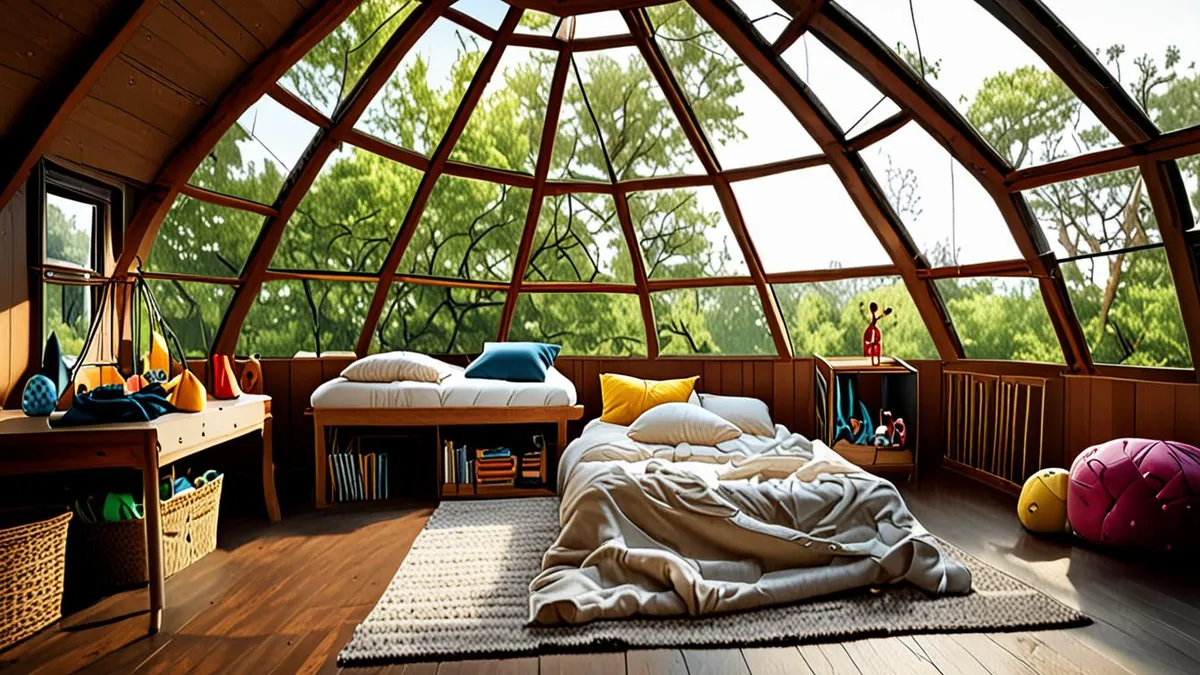
Finally, match the stay type to the age. Domes suit toddlers because they’re enclosed, sturdy and feel secure, while safari tents with separate sleeping areas suit school-age kids who want a little space of their own.
Choosing the Right Site and Booking Window
The site you choose makes or breaks the trip, especially with children in tow. A dome that looks dreamy in photos can turn out to be a long hike from the bathroom, perched on a slope, with zero shade around it. Before you get swept up in stylish interiors and sunset shots, slow down and work through a few practical steps in order. Ten minutes of checking now saves you a miserable night later, and it also protects your budget from surprise charges that only show up at check-in.
- Prioritize practical basics. Look for sites with on-site bathrooms, flat terrain and short walking distances between parking, your tent and the facilities. A five-minute trek uphill to the toilet is fine for adults; with a sleepy toddler, it’s a nightly ordeal. Also check whether paths are lit after dark and whether the family units sit close enough to the common areas that you are not carrying tired kids halfway across a field at bedtime.
- Book early for school holidays. Family-friendly domes and safari tents for school-holiday dates typically need to be reserved 2-3 months ahead, and family units typically cost 20-40% more than standard tents. Booking early gives you the best choice of layouts, not just the leftovers, and it often means you can request a specific position on the site rather than accepting whatever remains.
- Check what’s actually included. Ask whether meals, campfires and activities are part of the price or cost extra. Some sites include breakfast and evening campfires; others charge for everything separately, which can change your budget significantly. Get the answer in writing before you pay a deposit, and ask about cancellation terms too, since family plans change more often than solo ones.
- Keep the first trip short. Plan no more than 2-3 nights for your first outing. It’s a low-pressure way to test how your kids cope with sleeping somewhere new before you commit to a longer adventure. A short stay also means less packing, less laundry and an easier exit if the site turns out not to suit your family.
It also helps to know what facilities and fees to expect before you pay a deposit, because glamping sites vary enormously in what they include and how they charge for extras. This guide to glamping site facilities and costs covers what most sites provide and where extra charges usually appear. Once you know the site ticks your boxes, you can book with confidence and start looking forward to the fun part: roasting marshmallows, spotting fireflies and watching your kids fall asleep to the sound of the forest instead of the television.
Picking the Season: Weather and Comfort for Children
Season can matter more than destination when young children are involved. A site that’s delightful in cool weather can be miserable — and even risky for little ones — in heavy rain or extreme heat.
Why cool highland seasons work best
Cool highland seasons, roughly November-February in Southeast Asia, suit young children best. Nights are comfortable for sleeping, insects are less of a problem, and daytime temperatures stay pleasant for outdoor play. Kids who sleep well on holiday are happier, and so are their parents. For a deeper look at timing, this guide to the best seasons for glamping in Southeast Asia’s cool highlands breaks the year down month by month.
What to avoid and what to pack
Avoid peak heat and monsoon months when traveling with young children. Intense midday heat limits outdoor play to early mornings, and monsoon rain can trap a family inside a tent for hours — fun once, less fun on day three.
Even in the cool season, remember that nights at elevation can be genuinely chilly. Above 1,000 m, temperatures can drop below 15°C after dark, so pack warm layers for everyone, including proper sleepwear and an extra blanket for the kids. Check typical conditions for your specific destination before you go.
If your dates are flexible, consider shoulder seasons. You’ll often find lower prices and quieter sites, which means more space, less noise and a calmer experience for families testing the glamping waters for the first time.
Safety Basics Parents Should Handle Before Arrival
Before you hand over a deposit, treat the booking call as a safety inspection. Ask the operator directly whether the family units are fenced, whether there are ponds, streams or pools children can reach unsupervised, and how fire pits are positioned relative to the tents. A site that answers these questions patiently is usually a site that takes families seriously.
Wildlife matters too, and it varies enormously by location. In some areas the main concern is monkeys raiding snack bags; in others it is snakes or insects near tall grass. Ask what animals pass through the site, whether food should be stored in the car or a locked box, and whether staff patrol after dark. The answers will shape both your packing and your rules.
Agree on one simple rule with your kids before you travel: after dark, they stay inside the tent or dome unless an adult is with them. Unfamiliar ground, guy ropes and dim lighting are a poor combination for small feet, and a clear rule is easier to follow than vague warnings.
- Fencing and boundaries: ask whether the children’s area is fully enclosed and whether gates self-close, since open-sided safari tents rarely offer any barrier.
- Water hazards: confirm the depth of any on-site pond or pool and whether life vests are available for guests to borrow.
- Fire pits: check if fires are supervised by staff or left to guests, and whether there is a safe ash-disposal routine kids should be kept away from.
- Wildlife protocols: ask what to do if an animal wanders into camp at night and whether staff can be reached after hours.
Finally, confirm the emergency details before you pay: who to call on-site at night, and how far the nearest clinic is in kilometers and driving time. A site an hour from help is manageable for a scraped knee, less so for a bad allergic reaction. Write the numbers down and keep them with your passports, not just on your phone.
What to Pack for Kids on a Glamping Trip
Packing for a glamping trip with kids is really packing for two outfits a day. Between puddles, campfire smoke and enthusiastic meals, children get through clothes fast, so bring two full spare changes per day plus warm sleepwear. Even in warm regions, nights in elevated sites can feel surprisingly cold once the sun drops, and a shivering child is the fastest route to a bad night for everyone.
Familiar items do more work than any gadget. A favorite stuffed animal, a well-worn blanket and the bedtime story you read at home help a child settle in a strange room far quicker than novelty does. Glamping tents and domes can also sound different at night, with rustling canvas and unfamiliar insects, so those comfort cues matter more than you might expect.
For a complete, item-by-item rundown, our practical glamping packing checklist covers the whole family, but the kids’ bag deserves its own planning. Independence is the theme: gear sized for small hands keeps children involved instead of waiting for help.
- Kid-sized headlamps: let each child carry their own light for nighttime bathroom trips, and pick a model with a red-light mode that won’t wake siblings.
- Reusable water bottles: choose leak-proof, clip-on bottles kids can refill themselves at the site’s water station.
- Snacks in portioned bags: split trail mix or crackers into single servings so you can hand one out between meals without unpacking the whole bag.
- Wet wipes and a spare zip bag: wipes handle sticky fingers and muddy hands, and the spare bag keeps damp or dirty clothes separate until laundry day.
One final tip: pack the kids’ layer, including spare clothes, insect repellent and a night light, in a separate bag from yours. When you arrive at dusk and need pajamas and a light in a hurry, you’ll be glad you did.
Activities That Keep Kids Engaged Outdoors
The most common mistake families make is over-scheduling. Plan two to three activities per day with real downtime between them, and the trip flows; plan six, and you’ll spend the afternoon negotiating with tired children. A nature scavenger hunt in the morning, stargazing after dinner and a campfire story in between is a full and satisfying day.
Match activities to leg length
Young children measure a walk in meters, not kilometers. When comparing sites, look for ones that offer guided short walks under 2 km, ideally with things to touch and spot along the way: a stream crossing, bird calls, interesting leaves. A guide who enjoys children transforms a simple stroll into the highlight of the trip, so it’s worth asking about family-focused walks when you book.
Older kids need a different kind of engagement: ownership. Let them help with campfire cooking, whether that’s toasting marshmallows or wrapping vegetables in foil, and give them a real role in tent setup. A ten-year-old who helped pitch the shelter and cook dinner feels like a contributor, not a passenger, and that pride shows.
Leave room for nothing at all
Build in one flexible hour every day for unstructured play. Kids often entertain themselves best with dirt, sticks and a bit of space, and that free hour is also when parents get to sit down with a coffee and actually look at the view. Resist the urge to fill it; boredom outdoors is where the best memories usually start.
Wrapping Up Your Family Glamping Plan
Glamping with kids sounds wonderful in theory, but most parents hesitate because they worry about safety, bored children or booking something that simply does not suit their family. The good news is that those worries are manageable. A glamping trip with kids succeeds when age, season and site all match, so start by checking that the stay type fits your children, pick a season with comfortable temperatures, and choose a site built for families rather than couples.
Keep the rest simple. Book family units early, especially for school holidays, keep the first stay short to test how everyone copes, and pack for cool nights even in warm regions. A few clear safety rules, a night light and a light activity schedule with plenty of downtime keep the trip fun for everyone instead of exhausting. If you have planned a family glamping trip that worked well, share your tips in the comments or pass this article along to another parent.