Choosing where to sleep sounds simple until you’re staring at three tabs: a lodge in the hills, a beachfront resort and a family-run guesthouse downtown. They all have beds, they all have reviews, and yet they offer completely different trips. The real question behind the lodge vs resort vs guesthouse debate is not which one is better, but which one matches your itinerary, your budget and how much convenience you want built in.
This guide breaks down the three stay types one by one. We’ll define what actually makes a lodge, a resort and a guesthouse, then compare typical prices and the settings where each one puts you. From there, we’ll look at the amenities and daily experience you can expect at each, match each stay type to specific kinds of trips, and cover how far in advance to book. By the end, you’ll know exactly which stay fits your next trip and why.
What Defines a Lodge, a Resort and a Guesthouse
The quickest way to compare these three stay types is to look at size, purpose and how they’re built. Each one started as a different kind of accommodation, and those origins still shape what you get today.
Lodges: small and nature-focused
A lodge is a smaller property built around its natural setting, typically in the mountains, near a lake or at the edge of a national park. Most lodges have somewhere in the range of 10 to 25 rooms, so they feel intimate rather than busy. Construction often uses local materials like timber, stone and thatch, which keeps the building in tune with the landscape around it. If waking up to birdsong matters more than a pool, this is your category.
Resorts and guesthouses: two very different worlds
A resort is the opposite approach: a self-contained property where nearly everything happens on site. Pools, restaurants, activity desks and entertainment are part of the package, so many guests barely leave the grounds during their stay. A guesthouse sits at the other end of the scale. These are family-run homes or small buildings with basic rooms, and amenities are shared or limited to the essentials. You might share a bathroom, and there may be no restaurant at all, but you get a homey atmosphere and hosts who live on the property. Understanding these basic definitions makes the rest of the comparison much easier to follow.
Price Comparison: Lodge vs Resort vs Guesthouse
Price is usually the deciding factor, and the gap between these three stay types is wide. Guesthouses run roughly $15-40 per night in many destinations, which makes them the clear budget choice for travelers watching their spending. Lodges sit in a middle range of around $60-150 per night, where you’re paying for comfort as well as the setting, and that step up often feels justified once you see the location. Full-service resorts usually start around $120-300 per night, and that’s before optional extras like spa treatments or off-site excursions, so a week at a resort can cost several times more than the same week split between guesthouses.
Keep in mind that these are typical ranges, not fixed rules. Prices vary by country, season and how remote the property is, so always check current rates for your specific dates before committing. A lodge in a remote valley may charge more than a beachfront resort in a competitive market, simply because there are few alternatives nearby.
- What’s included at guesthouses: the low rate often covers little more than the room, so factor in costs for meals, laundry and transport, which you’ll arrange independently. Even with those add-ons, the total usually stays well below the other options.
- What’s included at lodges: many lodges bundle guided excursions or at least breakfast into the rate, so compare the total package rather than the nightly price alone. A tour that looks expensive separately can make the lodge rate look reasonable.
- What’s included at resorts: the higher nightly rate typically covers use of pools, multiple dining venues and organized on-site activities, which can offset costs you’d otherwise pay separately elsewhere.
- Hidden costs to watch: resorts may add service charges or resort fees on top of the room rate, so read the final total before booking rather than the headline price.
Location and Setting: Where Each Stay Type Puts You
Where you sleep shapes how you spend your days, and each stay type comes with a built-in location pattern. Lodges are usually located 30-90 minutes from major towns, placed deliberately close to mountains, lakes or rivers. That distance is the point: you’re trading quick town access for trails, water and quiet. Some lodges can only be reached on a bumpy final stretch of road, so ask about access before booking if you’re renting a small car or traveling with someone prone to motion sickness. I once stayed at a mountain lodge outside Chiang Mai where the drive felt long, but sunrise over the valley from the porch made every minute of it worth the trip.
Coastlines and city centers
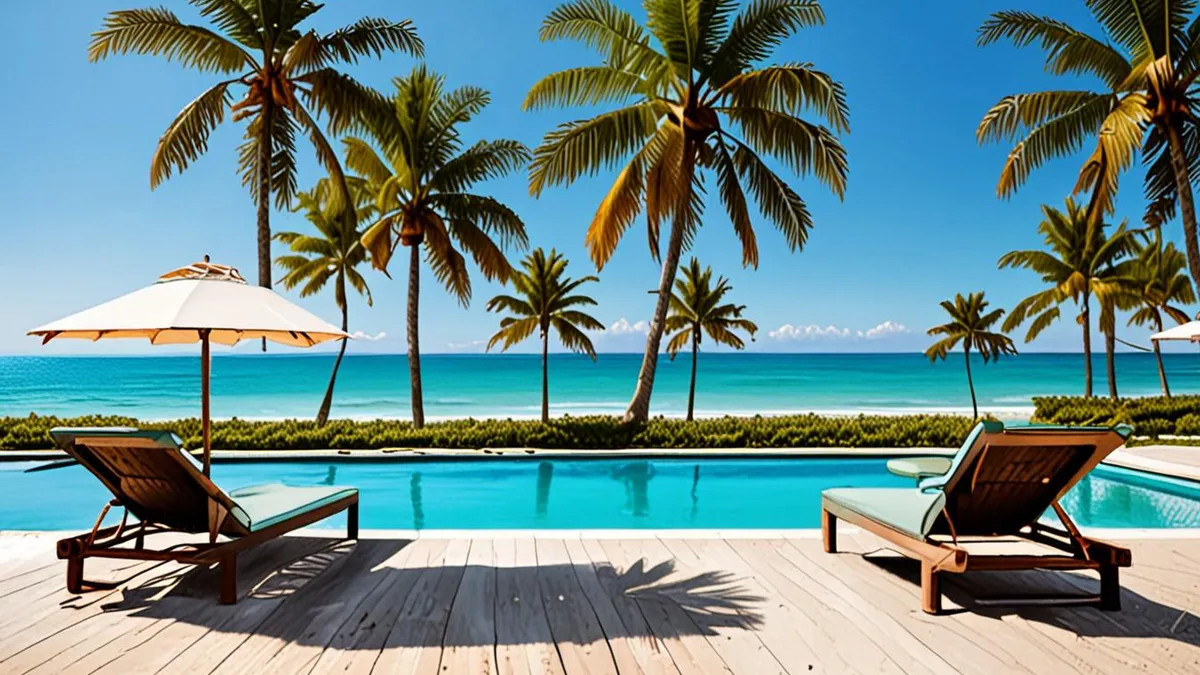
Resorts cluster along beaches and accessible coastlines, and they typically offer easy transfers from airports and ferry terminals. That convenience matters when you arrive tired with kids and luggage in tow. Guesthouses concentrate in town centers instead, putting markets, street food stalls and bus stations within a short walk. If your plan involves catching early transport, eating where locals eat or exploring on foot, a central guesthouse saves you daily commutes.
A practical tip: match the setting to your itinerary rather than to the property photos. A stunning beach resort is a poor base for day trips inland, while a remote lodge is frustrating if you mainly want restaurants and nightlife.
Amenities and Daily Experience at Each Stay Type
The daily experience differs more between these three stay types than almost anything else, and it’s often what decides whether a trip feels relaxing or frustrating. Think about how you actually spend your days: do you want everything within the property gates, or are you happy stepping outside for meals and activities?
Resorts are built around convenience. A typical resort offers 2-3 on-site dining options, so you can eat breakfast, lunch and dinner without leaving the grounds. Add swimming pools, kids’ clubs, spa services and organized activities like kayaking or evening entertainment, and you can easily fill a week without ever needing a taxi or a map.
Lodges take a different approach. Most include one restaurant serving set or family-style meals, and the real highlight is usually the guided excursions arranged by the staff. Because lodges sit in nature settings away from the crowds and noise of town, meals and activities tend to be bundled together rather than spread across many venues. On a recent river trip, I found that staying at a smaller property changed the whole rhythm of the day; you can read about it in my Mekong riverside lodge experience, where sunrise boat rides and shared dinners became the trip’s best moments.
Guesthouses are the most self-reliant option. Many have no restaurant at all, which pushes you straight into the local food scene. That’s not a drawback for everyone. Eating at street stalls and family-run eateries a few steps from your door is often cheaper and more memorable than any hotel dining room.
- Resort meal plans: Some resorts offer breakfast-included or half-board packages, which can simplify budgeting for families but may lock you into eating on site every evening.
- Lodge excursion scheduling: Guided walks, boat trips or wildlife drives are often booked through the front desk a day ahead, so ask about the activity schedule when you check in rather than expecting a fixed daily program.
- Guesthouse kitchen access: Many guesthouses provide shared kitchens or tea-making facilities, letting you prepare simple meals and keep costs down even further.
- Wi-Fi and downtime: Resorts usually have the most reliable connections and communal spaces, while guesthouses may have slower internet and fewer common areas, which matters if you need to work during your stay.
Which Stay Type Fits Which Trip
The right stay type depends less on the destination itself and more on what you plan to do each day. A beach town and a mountain trailhead call for completely different bases, even if they’re only a few hours apart.
When a Lodge Makes Sense
Choose a lodge if your itinerary revolves around hiking, sunrise trips or wildlife watching. Because lodges sit out in nature rather than in town, you can be first on the trail at dawn instead of spending the early morning in a transfer vehicle. Staff typically know the local guides and can arrange excursions on short notice, and returning to a quiet, nature-surrounded property after a long day outdoors feels far better than a generic city room.
When a Resort or Guesthouse Wins
Resorts are the natural pick for family trips and beach holidays where you want everything handled in one place. With multiple dining options, pools and organized activities on site, parents can relax while kids stay entertained, and nobody has to coordinate restaurants or transport every day. If your trip is really about doing nothing by the water, a resort delivers that with the least effort.
Guesthouses shine in a different set of situations. They work best for city stops, short layovers and travelers who want to meet local hosts. Because they concentrate in walkable town centers, markets, bus stations and street food are usually minutes away on foot. For a one-night stop between destinations, paying resort prices makes little sense when a simple, friendly guesthouse covers everything you need.
A quick way to decide: match the stay to the pace of your days. Active and outdoors points to a lodge, relaxed and family-focused points to a resort, and fast-moving, budget-conscious city travel points to a guesthouse.
Booking Timing for Lodges, Resorts and Guesthouses
Booking lead times vary a lot between these three stay types, and getting the timing right matters most where room counts are small. A resort with 200 rooms can absorb late bookings; a mountain lodge with a dozen cabins cannot. The difference comes down to simple supply: properties with few rooms have far less margin for error, so a couple of late cancellations or a busy weekend can leave you with nothing. The good news is that the timing rules are easy to remember once you know them. Here’s a simple order of operations to follow.
- Lock in resorts first, especially for high-season travel. If your trip falls between December and February, book your resort 2-3 months ahead. Family rooms, beachfront categories and pool-access rooms sell out earliest, so securing those first protects the part of your trip that’s hardest to replace.
- Reserve lodges next, allowing 4-6 weeks of lead time. Lodges in mountain areas often have only a small number of rooms, and a single full week can wipe out availability. Booking 4-6 weeks ahead gives you a real choice of room types instead of whatever remains.
- Leave guesthouses flexible. Guesthouses usually allow walk-in bookings or reservations just 1-2 days ahead, so there’s rarely a reason to commit early. This flexibility is a genuine advantage on multi-stop trips where plans may shift.
- Confirm details a few days before arrival. Whatever the stay type, send a quick confirmation message before you travel, especially for lodges and guesthouses in remote areas where transport connections may need arranging.
One practical note: if your trip mixes all three stay types, book in that order rather than chronologically. Securing the lodge and resort first, then filling the gaps with guesthouses as you go, keeps your itinerary flexible where flexibility is cheap and firm where availability is tight. This approach also spreads your planning effort sensibly, since the bookings that need the most lead time are handled first. Always double-check current availability and any local events that might affect demand before you commit, since patterns can shift from year to year.
Choosing Your Stay With Confidence
The choice really comes down to matching the stay type to your trip. Lodges suit nature-focused itineraries, resorts suit travelers who want everything handled on site, and guesthouses suit budget trips and town-based exploring. When you know which of those three describes your days, the decision makes itself.
Three factors settle it in practice: your nightly budget, the setting you want to wake up in, and how far ahead you can book. Get those aligned with your itinerary and the whole trip tends to feel effortless rather than like a series of compromises. If you have a favorite stay type or a story about picking the wrong one, share it in the comments below.