Picture this: you finally reach the national park you have been dreaming about, but your lodge sits two hours from the gate. By the time you park, buy tickets and walk to the trailhead, the morning is gone and the animals have retreated. Many travelers book a place too far from the entrance, or too late in the season, and quietly lose hours of trail time to long drives. Where you stay near national parks shapes almost everything about the trip.
This guide walks through the main lodge area options and when each one makes sense. We cover why staying close changes your whole trip, gate-adjacent villages that maximize trail time, gateway towns 30-60 minutes out that offer better value, tropical and volcano park areas worth considering, how to match the area to your pace, and the booking windows and seasons that matter most. By the end, you should know exactly which base fits your itinerary and budget.
Why Staying Near National Parks Changes Your Whole Trip
The single biggest advantage of staying close to a park gate is time on the trail. Lodges within 30 minutes of an entrance let you start hiking at dawn, when trails are quiet and wildlife is most active. Most animals keep low profiles once temperatures rise and foot traffic builds, so the first hours of daylight are often the most rewarding of the entire day. If your goal is spotting wildlife rather than simply covering distance, proximity matters more than almost any other booking decision.
Sunrise and sunset without the pre-dawn drive
Gate-adjacent bases also make sunrise and sunset viewpoints realistic. Day-trippers typically face a one to two hour drive before they see anything at all, which rules out early alpine glow or golden-hour photography unless they leave in the dark. When your lodge is minutes from the gate, you can wake at a reasonable hour, reach a viewpoint in time, and be back for breakfast without feeling like you ran a marathon before 9 a.m.
Break the day in half
Closeness also changes the shape of your days. Instead of committing to a full eight to ten hour outing because returning is impractical, you can hike in the morning, head back to the lodge for a midday break, a swim or a nap, then return to the park for a shorter afternoon loop. Staying within 30 minutes of a gate can add one to two extra hours of usable trail time per day, which adds up fast over a multi-day visit.
Gate-Adjacent Lodge Areas: Maximum Trail Time
Villages and settlements right at park entrances offer the shortest access to the trails, and that access comes at a price. Demand for these spots is high because everyone wants to be first through the gate, so expect the highest rates in the region and book early, especially for summer stays when lodges near popular gates often need reserving three to six months ahead.
Know what you are giving up
Gate communities are usually small, and services reflect that. Dining options can be limited to a lodge restaurant or a couple of simple eateries, and you may not find ATMs, pharmacies or reliable shops nearby. Many lodges include breakfast for exactly this reason, since there may be nowhere else to eat before an early start. Check what meals are covered before you book so you are not caught out after a long day on the trail.
Who these areas suit best
Gate-adjacent areas suit travelers who prioritize early starts over comfort, nightlife or shopping. If your plan is to be at the trailhead at dawn every morning, photograph sunrise, or squeeze in as much hiking as possible during a short visit, the trade-offs are easy to justify. If you want restaurants to choose from each evening or a lively town to wander, you will likely be happier a bit further out.
Gateway Towns 30-60 Minutes Out: The Value Zone
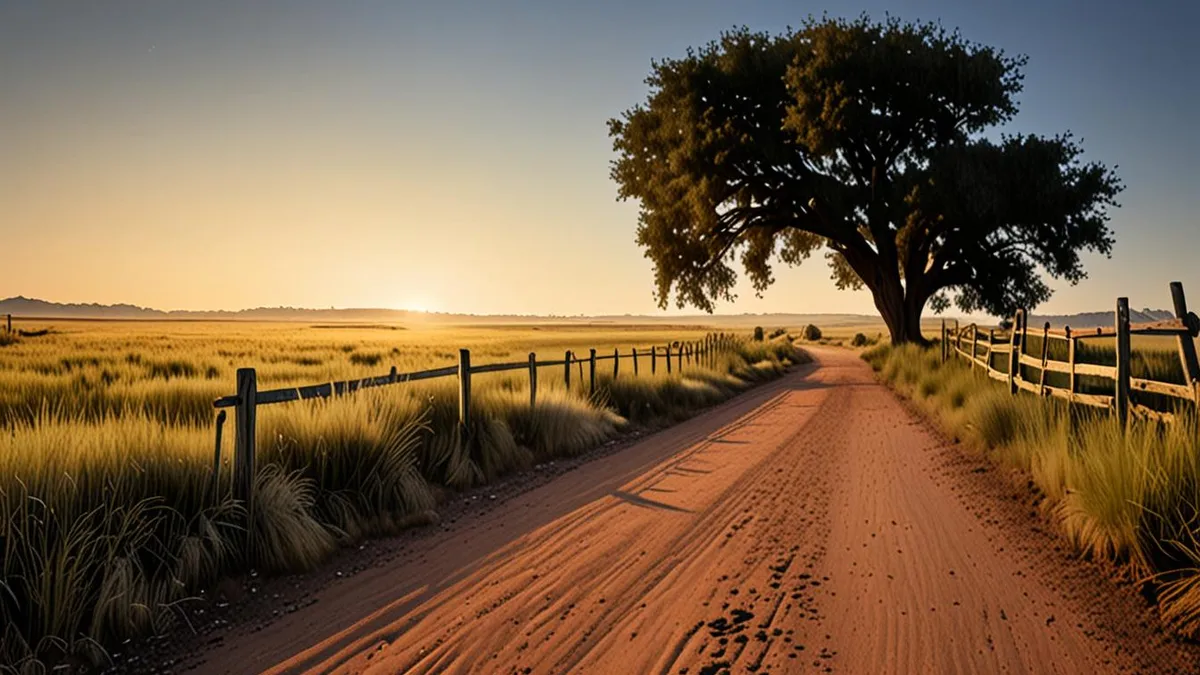
Towns 30 to 60 minutes from a park gate are where most travelers find the best balance of cost and convenience. Lodge and hotel rates in these gateway towns typically run 15 to 30 percent less than gate-adjacent stays, while day trips remain easy. A slightly earlier alarm replaces the premium you would pay to sleep beside the entrance.
More services, more choices
Gateway towns usually have far more restaurants, ATMs and transport options than the small settlements at a park entrance. That means variety in where you eat, easier access to cash and supplies, and often shuttles or local transport that make park logistics simpler. After a few days of trail food, having real dinner options feels like a luxury in itself.
The right fit for mixed itineraries
This zone works best for trips that mix park days with rest, market or town days. If you plan to hike hard for two or three days but also want slow mornings, local markets or a day away from the trails, a gateway town gives you that flexibility without sacrificing park access. You keep the option of dawn starts when you want them, while enjoying town comforts on the days you do not.
Tropical and Volcano Park Areas Worth Considering
Tropical park lodges sit in some of the most dramatic terrain you can sleep next to: steaming volcanoes, dense jungle, and trails that climb from humid lowland forest into cooler cloud zones. These areas shine in the dry season, roughly December to February, when trails are firmer, views of the peaks are clearer, and the humidity is easier to live with. In wetter months, expect muddy paths, leeches on jungle sections, and clouded-over summits more often than not.
Highland Lodge Zones: Cooler Air, Any Month
If your trip falls outside that dry window, look at highland lodge areas around tropical parks instead. Villages and small lodge clusters on volcanic slopes and mountain plateaus stay cooler year-round, and misty mornings are part of the charm rather than a problem. A stay in a place like the highlands around Mount Batur in Bali, for example, pairs well with a slow sunrise breakfast overlooking the caldera in Kintamani, which shows how rewarding these cooler zones can be even without a full hiking day planned.
Lakeside and Riverside Lodge Areas
The third option trades trail access for scenery. Lakeside and riverside lodge zones near tropical parks often sit a bit farther from the gates, so you will spend more time driving to trailheads. What you get back is water at your doorstep, birds at first light, and slower mornings with coffee on a deck instead of boots on a path. These areas suit travelers who want a few park days mixed with genuine downtime, rather than a hike-every-dawn itinerary.
A practical tip: check how each area behaves in the season you plan to visit. Lakes swell and rivers run fast after heavy rain, while highland roads can get slippery. Ask the lodge directly about seasonal access before you book, since conditions change year to year.
How to Choose the Right Lodge Area for Your Stay
The first question to ask is simple: what kind of traveler are you? If your whole trip is built around dawn trail starts and sunrise viewpoints, a gate-adjacent lodge area justifies its higher price. If your itinerary mixes park days with town time, markets or rest, a gateway town usually serves you better at a lower cost.
Road quality matters more than most people expect. In the rainy season, a 30-minute transfer from a gateway town can easily double, and a rough access road can turn an easy day trip into an ordeal. Ask lodge owners or your operator about seasonal road conditions before you commit, especially for remote areas reached by unpaved roads.
Also compare what each lodge includes in its rate. Remote lodge areas often bundle meals and transfers into the price, so a nightly rate that looks high may actually cover your food and transport to the gate. Before booking, check the details:
- Meals: some remote lodges include all meals because nearby dining is limited, while gate-adjacent spots may only cover breakfast
- Transfers: confirm whether park gate shuttles or airport pickups are part of the rate or charged separately
- Guides and activities: a few lodge areas bundle guided hikes or boat trips into the stay, which can save you arranging them independently
- Power and Wi-Fi: in remote zones, ask whether electricity or internet is limited to certain hours
Booking Windows and Seasons for National Park Lodges
National park lodges sell out on a different clock than ordinary hotels, especially in high season. Peak season inside most parks runs June to August, and lodges near popular gates often need booking 3-6 months ahead for summer stays. If you have your heart set on a specific gate-adjacent property for July, treat the reservation as a priority, not a last-minute task. Book the moment the calendar opens, confirm the cancellation terms in writing, and keep a backup property in mind in case your first choice falls through.
The shoulder months are where flexible travelers win. May and September offer lodge rates typically 20-40% below peak-season prices, along with thinner crowds on the trails. Weather is usually still workable in these months, so you trade some predictability for space and savings. Ask the lodge or your operator what conditions to expect in shoulder season, since trails and facilities can vary by park and year.
A few more tactics that help stretch a park lodge budget:
- Weekday check-ins: midweek arrivals often price 10-20% below weekend rates, even in high-demand lodge areas, so shifting your stay by two days can add up
- Split stays: combine a few nights gate-adjacent with longer nights in a cheaper gateway town to balance trail time and cost
- Flexible cancellation: book refundable rates early in the peak window, then watch for rate drops you can rebook into
- Direct inquiries: for small lodges, contacting the property directly can reveal availability that booking sites no longer show
Whichever route you take, set calendar reminders to recheck prices a few weeks before arrival. Small adjustments to dates, stay length or property type often make the difference between an overpriced room and a well-timed deal.
Finding Your Base Near the Park
The problem most travelers face is simple: they book too far from the gate or too late, then watch hours of trail time disappear into a long drive. The fix is choosing a lodge area that balances trail access, season and budget, rather than chasing the closest gate no matter what.
The trade-offs are clear. Gate-adjacent areas buy you dawn starts and can add 1-2 extra hours of trail time per day. Gateway towns 30-60 minutes out usually save you 15-30% while keeping day trips easy. And if your dates are flexible, shoulder months like May and September often cut rates 20-40% below peak. With a clear booking window and a season matched to your destination, any of these areas can anchor a strong park trip. If this helped you plan, leave a comment or share the article.